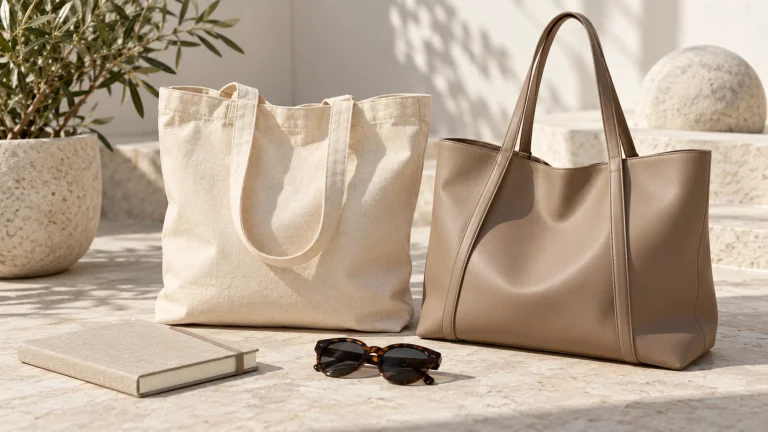
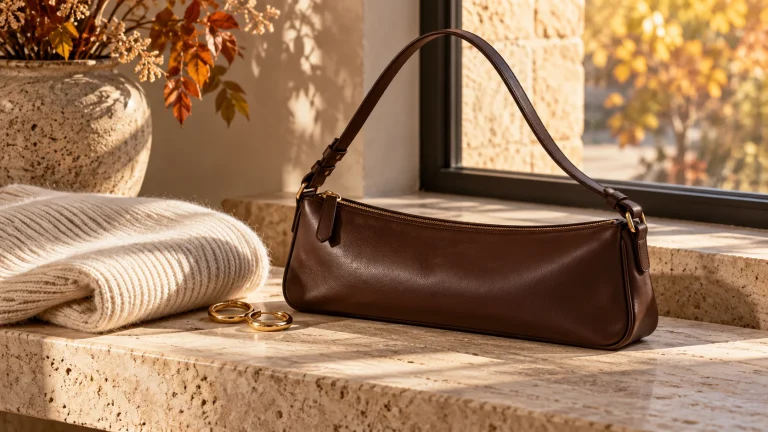
A mini bag can be exactly right for a dinner or short errand, but its size is easy to misjudge from an attractive photo. A phone may fit across the bottom while refusing to pass through a narrow opening. A wallet may take up enough depth to prevent the flap from closing.
The question of what fits in a mini bag is therefore about usable interior space, not only an exterior width printed in a listing. Before choosing one, put your essentials on a table and decide which are truly needed for the outing. A cardholder can replace a long wallet; a smaller key set can free space; a bulky sunglasses case may need to stay elsewhere.
This guide offers a simple packing test and shows when a slightly larger crossbody is the more comfortable choice. The aim is an easy day, not a bag packed to the point of strain. A five-minute test with your own belongings makes the decision much more reliable.
Begin with phone, keys, identification, payment card, and any essential medication. Add lip balm, tissues, sunglasses, or earbuds only if the occasion calls for them. Remove duplicates and old receipts. The smaller the bag, the more useful it is to distinguish essentials from habit.
Phone dimensions on a manufacturer's website may exclude the protective case. Measure the real device you carry. Compare that length with the interior and, crucially, the opening. A flap bag can have enough width inside but too narrow an entry at the top.

A slim cardholder often makes more difference than removing several small items. Keep only the payment cards and identification you need. If you usually carry coins or cash, choose a small pouch that closes securely rather than letting loose change collect in the lining.
Compare this approach with Trysho’s small flap crossbody, checking the current product measurements and details before ordering.
A mini bag can appear wide in a front-facing photograph but remain shallow. Stack the phone, cardholder, and keys to estimate the depth they require. Soft bags may expand slightly, but forcing a hard phone against the closure can distort the silhouette.
Keys can scratch sunglasses and phone screens. Use a small sleeve or put the keys in an internal pocket. If a rigid sunglasses case will not fit, consider carrying the glasses separately in their case. Do not sacrifice protection just to make a small bag appear fully packed.

Place your essentials inside and close the flap or zipper without pulling the material. A strained closure can make access difficult and put pressure on hardware. A bag with a secure interior pocket may be easier to organize than one large undivided space.
A compact flap crossbody suits lunch or dinner when you need only basics. For a commute with a notebook or extra layer, choose a larger shoulder bag. Trysho's small flap and cloud styles show two different shapes; compare their current specifications rather than assuming the word small means the same capacity.
Use the mini bag on a short local outing before taking it on a longer trip. Notice what you reach for and whether the phone is easy to remove. If you keep juggling items at checkout, go up a size or simplify the contents. An attractive bag should make the routine easier.
Try a cardboard mock-up before ordering a mini bag. Cut a rectangle to match the listed interior width and height, then draw the stated opening on the top edge. Slide your cased phone across it, followed by your cardholder and keys.
This rough test cannot reproduce flexible material, but it catches obvious size conflicts. Next, think about retrieval order: the item you need most often should not sit beneath everything else. A zipper pocket may secure cards, while the phone needs a clear path out.
If the mini bag will be used at dinner, a slimmer set of essentials may be easy. For a full-day commute, the same setup may be frustrating. Check whether the strap and opening remain comfortable when the bag is filled, since overpacking changes how it hangs.
Try the complete combination at home before committing to it for a full day. Photograph it from the front and side, then move as you normally would. A small adjustment to the hem, strap, layer, or accessory often solves a problem that seemed to require a completely new purchase. Compare the specific product measurements with something you already own; a category label or model photograph is only a starting point.
What fits in a mini bag depends on interior depth, opening, closure, and the dimensions of your actual belongings. Measure your cased phone and everyday wallet, then pack the essentials without forcing the bag closed. A cardholder and organized keys can help, while a larger crossbody may be better for work or travel.
Try the packed bag for a short outing and notice how often you need to rearrange it. Compare Trysho's compact bags by their listed measurements, and choose the size that supports the day you plan to have. If the contents strain the closure, the better solution is a little more space.