Packing for a travel day often starts with a simple question: should you carry a tote or a crossbody bag? A tote holds a sweater, book, and travel extras, but can become uncomfortable during a long walk. A crossbody keeps tickets and a phone close, yet small dimensions can force you to leave useful items behind.
The answer depends on the trip rather than on which bag looks most versatile in a product photo. Think through the route: airport or train, transfers, weather, walking time, and whether you need to open the bag often. Then choose a size and closure that support those moments.
This tote vs. crossbody bag for travel guide uses ordinary scenarios rather than packing rules. In some situations one bag is enough; in others a small crossbody inside a roomy tote makes the day easier. What you leave in your luggage is as important as what you put in the handbag.
The tote vs. crossbody bag for travel decision becomes clearer once you separate your belongings by when you need them.
Lay out your phone, wallet, passport or identification, keys, sunglasses, water bottle, and any medication. Add the items you will need before reaching your luggage. Measure the largest object. A bag called large may still have a narrow zipper opening, so compare usable dimensions as well as the exterior.
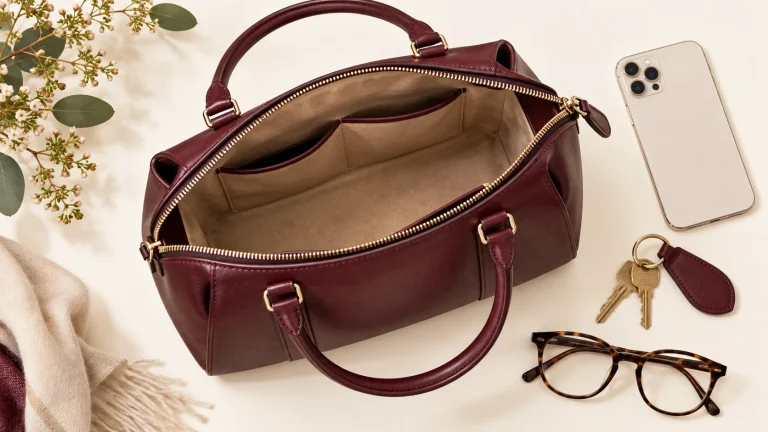
A roomy tote suits a cardigan, book, headphones, and snacks. Wide handles feel more stable if the bag is not overloaded. Look for a secure top closure and an internal pocket for small essentials. A zip-top shoulder bag can work when you need quick access without leaving the whole interior open.

A compact crossbody is easier during ticket checks, crowded sidewalks, or sightseeing. Position it where you can reach the opening without removing the strap. Keep valuables in a closed main compartment and test whether your phone fits with its actual protective case. Carrying less can improve comfort over several hours.
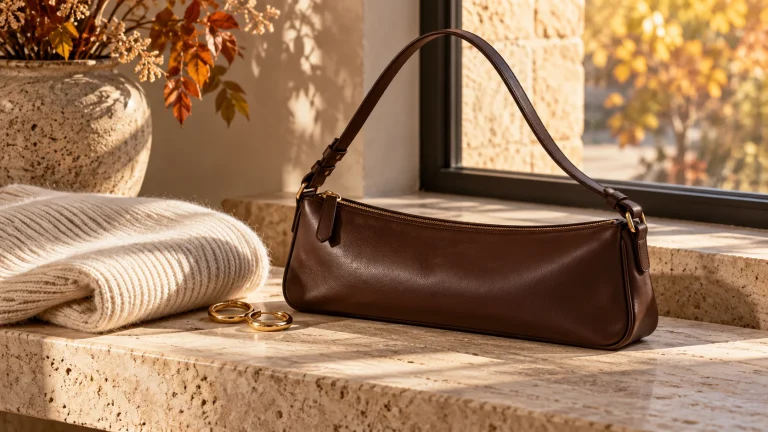
Compare this approach with Trysho’s zip-top shoulder bag, checking the current product measurements and details before ordering.
A large tote becomes tiring when filled with heavy electronics and liquids. Switch sides occasionally, or use luggage for the heaviest items. A crossbody distributes a small load differently, but a narrow strap can still press on the shoulder. Neither style is automatically comfortable with an excessive load.
A zipper is useful in busy transit areas; a flap can also work if it closes securely. A phone pocket helps when you need a boarding pass or map repeatedly. A large compartment without organization may bury your keys beneath clothing. Compare the messenger and shoulder options by their actual closures and pocket layouts.

On a flight or train, a small crossbody can hold identification, wallet, and phone while a tote carries a layer and book. Once you reach the destination, leave the tote at your lodging. Check any carrier's personal-item dimensions before travel; a handbag that fits a daily commute may not meet every fare rule.
A soft fabric tote can absorb rain, while a coated material may be easier to wipe; neither should be assumed waterproof without a clear specification. Use a protective pouch for electronics. If you expect wet sidewalks or crowded transport, a securely closed crossbody may be simpler to manage.
Pack the bag as you would for the trip and walk around the block. Open it while standing and while seated. Notice slipping handles, bouncing, awkward corners, or items that disappear at the bottom. Fix the load before departure by removing duplicates or moving small objects into a pouch.
Consider a two-hour train trip followed by an afternoon of walking. During the train portion, a tote with a sweater, water, book, and charger is convenient. Once you arrive, those items can stay with the luggage while a small crossbody carries your phone, wallet, and keys.
If the trip has no place to leave the tote, pack more selectively and assess its shoulder comfort over the full walking distance. A large bag can tempt you to bring unnecessary extras simply because they fit. Divide belongings into 'needed during transit' and 'needed at the destination.' That simple distinction often answers the bag question.
If carrying two, make sure the smaller one nests flat inside the larger and that you can retrieve it without unpacking everything. The best arrangement reduces searching and repacking at every stop.
Try the complete combination at home before committing to it for a full day. Photograph it from the front and side, then move as you normally would. A small adjustment to the hem, strap, layer, or accessory often solves a problem that seemed to require a completely new purchase. Compare the specific product measurements with something you already own; a category label or model photograph is only a starting point.
The best travel bag depends on what you carry and how you move. A tote offers useful space for light layers and extras; a crossbody keeps small essentials accessible during active days. Pay attention to closure, strap comfort, and usable interior measurements.
For a trip with both transit and sightseeing, a small crossbody inside a larger tote can provide flexibility. Test the packed bag at home and check any travel size restrictions. Explore Trysho's bag styles as examples of different capacities, then choose the arrangement that makes your own route easier.
The simplest setup is the one you can carry and open comfortably throughout the entire trip.