Loafers and ballet flats are both low-profile alternatives to heels, but they create different outfits and fit differently on the foot. A loafer often covers more of the instep and has a structured upper; a ballet flat typically exposes more of the top of the foot and may feel lighter.
If you are comparing loafers vs. ballet flats for work, consider your dress code, walking route, toe shape, and how the shoes stay on your feet. Neither category automatically guarantees comfort.
Loafers add a tailored note to trousers, dark jeans, and blazers. Their shape can balance a wide-leg hem and lend structure to a soft cardigan or midi skirt. Ballet flats create a lighter line that works with cropped pants, skirts, and dresses.
Trysho's suede platform loafers have a more substantial sole than a classic slim flat. Review the current product's actual material and heel measurement rather than assuming all loafers have the same construction.

A loafer's higher vamp may help it feel secure, but heel slipping can still occur when the length or width is wrong. A ballet flat's lower opening can feel airy; if it is too loose, you may grip with your toes while walking.
Try both styles with the socks or liners you intend to wear. Walk on a clean indoor floor and climb a few steps. Your heel should remain relatively secure without rubbing painfully, and your toes should lie naturally rather than bunching at the front.
Round, square, and pointed toes change how much room the front of the shoe offers. A pointed outline does not necessarily mean the actual toe box is spacious. Look for width information and compare the shoe's insole length with a comfortable pair you own.
The Japanese-style Tabi flats have a distinct split-toe shape. That feature may suit a minimal outfit, but it is important to check its fit and whether the construction feels comfortable to you before making it an everyday work shoe.
A thin sole can feel flexible but may offer less separation from hard pavement. A thicker loafer sole can feel protective yet add weight. Neither tells the whole story about support or traction; look at the outsole and try the shoe on your actual route.
If you commute through rain, check the sole's grip and whether the upper material is appropriate. A shoe described as fashionable workwear is not automatically slip-resistant or waterproof. A spare pair for indoor use may be practical in difficult weather.

Loafers work especially well when the trouser hem nearly meets the shoe but reveals its toe. Ballet flats can be elegant with ankle trousers that show a little more of the foot. Check whether the hem catches under your heel when walking.
Trysho's high-waisted wide-leg trousers provide a useful test: wear them with the exact shoe you intend, then assess the length. Changing from a platform loafer to a thin flat may require a different hem.
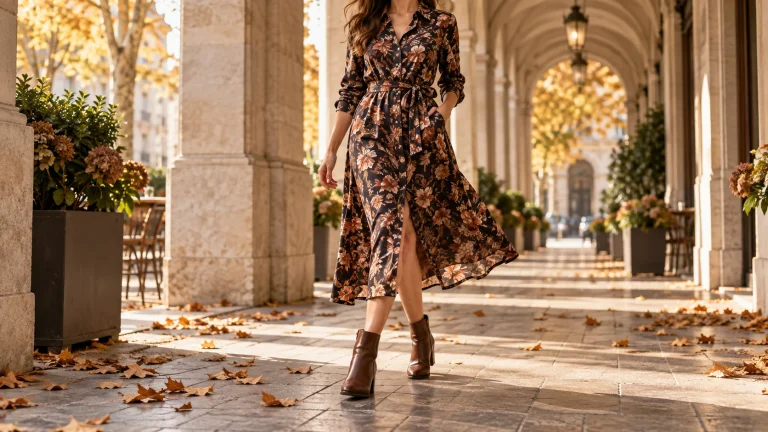
A loafer creates contrast with a flowing midi dress or pleated skirt. A ballet flat continues the softer line and can look especially good with an A-line hem. Match the shoe to the outfit's volume and your personal preference, not a universal rule.
With tights, check that the shoe opening stays secure. Some flats that fit with bare feet feel loose against slippery hosiery; some loafers become tight over thicker socks.
In many business-casual workplaces, a clean loafer is an easy default. Ballet flats can also look polished when the material and condition suit the environment. Highly decorated shoes, heavily distressed uppers, or an overly sporty sole may change the result.
Pair either option with an office blazer and smooth blouse for a neat outfit. Follow your workplace's actual footwear rules rather than assuming all flats are accepted.
Inspect heel wear, stitching, and how the upper meets the sole. Follow the product care instructions for suede, synthetic uppers, or leather. Let shoes dry naturally after a damp commute and avoid prolonged direct heat.
Rotating between two pairs can give footwear time to air out and lets you choose the right sole for the day's conditions. If a shoe begins to rub, address the fit rather than expecting persistent pain to disappear.
Choose loafers if you want more structure with trousers and denim, or ballet flats if you prefer a lighter line with dresses and cropped pants. The better work shoe fits securely, supports your actual walking day, and works with at least several outfits you already own.