A scarf can add warmth and color to a coat, yet a thick knot under a high collar can feel cramped. The best method depends on the coat opening, scarf length, and the amount of coverage you need. A light printed scarf can sit inside a lapel, while a longer knit may work better outside a simple coat.
Learning how to wear a scarf with a coat does not require an elaborate knot. A small adjustment in drape, length, or where the ends rest can make familiar winter clothing feel more balanced. This guide offers seven practical approaches for commutes, walks, and mild fall afternoons.
Begin with a comfortable neck and a coat that closes freely; then use color and texture to finish the look. The scarf should help you move through the day rather than require constant rearranging. The simplest arrangement is often the one you can recreate quickly before leaving home.
Place a lightweight scarf around the back of your neck and let both ends fall inside an open coat. This creates long vertical lines and keeps a blazer or dress visible beneath the outerwear. Choose a scarf that does not reach into your walking path. A thin fabric is easier to tuck under lapels.
Wrap one end around the neck and leave both tails in front. Loosen the loop enough to move your head comfortably. This gives coverage without building a large knot under the chin. A plain coat can support a patterned scarf, while a checked coat often works with a solid color.

Fold a small square diagonally, tie a gentle knot, and place it inside the collar of a trench or blazer. It adds color without covering the whole outfit. Avoid pulling it tight against the throat. If the fabric shifts, a slightly larger square may be easier to arrange.
Compare this approach with Trysho’s floral midi shirt dress, checking the current product measurements and details before ordering.
For a coat with a simple front, place the scarf outside and let it become the visible accessory. Keep the ends at a manageable length and avoid dragging them through a bag strap. A belt can hold one side in place, but check that it does not distort the coat.
A jacket with a hood already has volume near the neck. Choose a narrow, soft scarf and arrange it beneath the hood rather than stacking a bulky knot at the front. Trysho's gray hooded jacket illustrates why collar and hood shape matter when deciding on thickness.

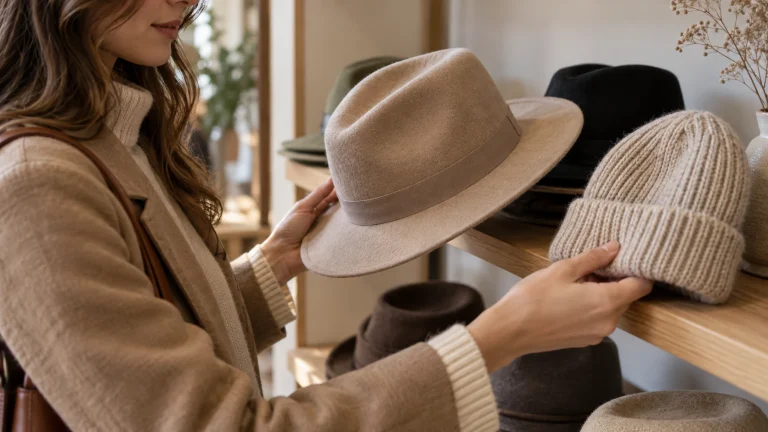
A burgundy scarf can repeat a handbag accent against a camel coat. Cream softens black or navy; charcoal grounds brighter outerwear. Exact matching with a hat is optional. If using a knit beanie, repeat only one tone so the accessories feel related without becoming a set.
A loose fashion drape is suitable for mild conditions; cold wind may call for a closer loop and an adequately warm material. Follow the fabric's care label and keep the scarf away from coat zippers that could snag. If you travel on crowded transit, tuck long ends safely inside the coat.
Zip or button the coat, turn your head, sit down, and wear your normal bag. A scarf that looks elegant while standing may become awkward beneath a crossbody strap or seat belt. Adjust the knot and length until the arrangement stays in place through ordinary movement.
Use the coat's neckline as a guide. A wide lapel leaves space for a small square scarf; a stand collar usually needs a thinner piece underneath; a hood may already fill the area behind the neck. Lay out two scarves beside the coat before leaving.
The one with a pleasing color can still be the wrong weight for the collar. Keep the tails clear of a crossbody strap and of a car's seat belt. If you need extra warmth, a simple wrapped style is often easier to manage than a decorative knot with many loops.
At the end of the day, follow the scarf's care label and let damp fabric dry before storing it. A scarf should be quick to arrange on a busy morning, so practice the method once at home.
Try the complete combination at home before committing to it for a full day. Photograph it from the front and side, then move as you normally would. A small adjustment to the hem, strap, layer, or accessory often solves a problem that seemed to require a completely new purchase. Compare the specific product measurements with something you already own; a category label or model photograph is only a starting point.
The easiest way to wear a scarf with a coat is to match the scarf's thickness to the collar and the weather. A loose drape creates a clean line, a once-around loop adds coverage, and a small square scarf brings detail to a tailored neckline. Keep the knot comfortable and the ends clear of bags and zippers.
Use one repeated color to connect the scarf with the rest of the outfit. Trysho's jackets, dresses, and winter accessories can help you build combinations, but comfort over a complete day is the best final test. Repeat the method you can arrange comfortably and it will become a reliable part of your cold-weather wardrobe.