A shirt dress looks complete on its own, which is why cooler mornings can make styling it surprisingly awkward. A long cardigan may cover the waist; a thick sweater may bunch above the buttons; a coat can compete with the dress hem. The answer is to decide which detail you want to remain visible: the collar, waist, sleeves, or skirt.
Once one element anchors the outfit, the extra layers can support it. Learning how to layer a shirt dress also begins with comfort. Buttons should not pull over a base layer, and a belt should not force the fabric into an uneven shape.
This guide offers several combinations for work, errands, and dinner without requiring a closet full of new clothing. Try the outfit with your actual shoes and outerwear, then sit and walk before deciding it is ready for the day. The best combination should still work when you remove your coat indoors.
On a cool morning, a close-fitting camisole or thin long-sleeve top can add warmth beneath a shirt dress. Choose a neckline that stays discreet unless you want it to show. Check that the buttons lie smoothly and the shoulders still move comfortably. Extra warmth is only useful if the dress can close without strain.
Wear a fine sweater over the dress, leaving the collar visible at the neckline. A cropped sweater preserves more of the skirt and waist; a long one can turn the dress into an apparent skirt. If the sweater clings at the hips, a different fabric weight may make the layers fall better.

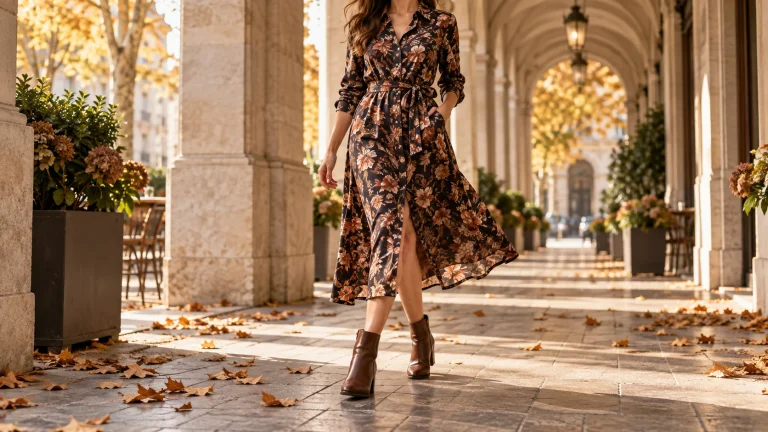
A waist-length cardigan can frame the dress without concealing its line. Leave it open over a defined waist, or close a few center buttons. Try a cream cardigan over a dark or floral shirt dress. Keep the knit light if the dress already has full sleeves.
Compare this approach with Trysho’s leather cloud crossbody, checking the current product measurements and details before ordering.
A blazer balances a soft printed dress and can suit a business-casual office. Let the collar sit neatly inside or above the lapels; avoid bunching at the neck. Trysho's double-breasted blazer has visible buttons, so keep the bag and jewelry simple when wearing it with a patterned dress.
Opaque tights can make a shorter shirt dress more comfortable as temperatures drop. Black tights with black ankle boots produce a continuous line; brown footwear feels warmer with olive and cream. Check the dress hem while sitting and ensure the boot shaft does not catch on the fabric.

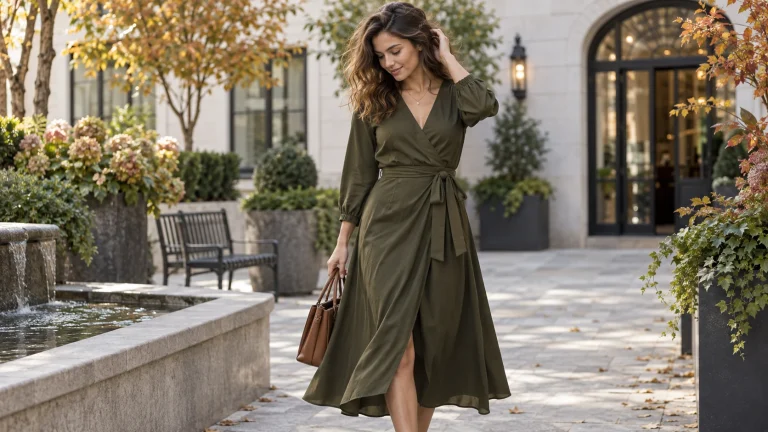
A belt can restore shape beneath an open jacket, but it is not compulsory. Place it where the dress naturally narrows and distribute the fabric evenly. If the dress has a built-in waist seam or tie, use that first. A separate thick belt can make buttons and pockets sit unevenly.
A coat that finishes above the dress hem creates a visible skirt section; a longer coat can cover it entirely. Both can work when intentional. Check that walking does not trap the dress against the coat lining. A compact crossbody bag keeps the waist visible when the coat is open.
Let a printed dress set the colors. Pull one quieter shade into the cardigan or jacket and use neutral footwear. With a solid shirt dress, add texture through a knit or suede-look layer. Two or three related colors usually make the layers feel connected.
Try building the outfit in two stages: an indoor version and an outdoor version. For work, the shirt dress plus a fine cardigan or blazer may be enough. For the commute, add the coat, tights, and weather-appropriate footwear.
This helps avoid a thick sweater that feels comfortable outside but stifling indoors. If the dress has a self-tie belt, arrange it after the cardigan so the waist remains visible; if the layer covers it, allow the dress to hang freely rather than forcing a second belt. Check the cuff area as well.
Rolling a shirt-dress sleeve beneath a jacket can create a tight band at the forearm. Smooth each layer before fastening the jacket and move your arms. Small changes in thickness make a noticeable difference across a long day.
Try the complete combination at home before committing to it for a full day. Photograph it from the front and side, then move as you normally would. A small adjustment to the hem, strap, layer, or accessory often solves a problem that seemed to require a completely new purchase. Compare the specific product measurements with something you already own; a category label or model photograph is only a starting point.
To layer a shirt dress for fall, choose which part of the dress you want to show and keep the layers thin enough to move comfortably. A fine base layer adds warmth, a short cardigan preserves the waist, and a blazer gives structure. Tights and boots extend the outfit into cooler weather, provided the hem and shaft work together.
Try each combination with the actual dress and coat, and check the buttons while sitting. Trysho's shirt dresses and tailoring can offer starting points for adapting pieces you already wear. Build around one visible detail and the dress will remain the center of the outfit.