“Large capacity” is not a measurement. A work tote has to accommodate the items you actually bring, sit comfortably on your shoulder, and still close or remain organized when you move. A laptop changes the calculation because its rigid corners, protective sleeve, and charging cable occupy more usable space than their dimensions suggest.
Lunch, a water bottle, and a sweater add weight and depth. Before buying, make a quick inventory and measure the tote's interior width, height, base, and handle drop against your daily load. This work tote size guide walks through that process without assuming everyone commutes with the same equipment.
It also explains when a lighter bag or separate laptop case is the better fit. The goal is a bag you can use all day, rather than a promising product photograph that fails at your desk. The examples focus on details you can check in a listing and adapt to clothes you already own.
Keep a familiar garment or accessory nearby as a point of comparison; its measurements and daily comfort tell you more than a styled product photograph alone.
Measure your laptop after placing it in the protective sleeve you intend to use. Record width, height, and thickness; allow a little clearance so it can enter without scraping the opening. A diagonal fit may technically work but can make quick access difficult.
An exterior width includes seams and curves. Look for the interior opening and compare it with the laptop’s longest edge. A tapered tote may be wide at the base but narrow at the top. A zipper can reduce the practical width further.
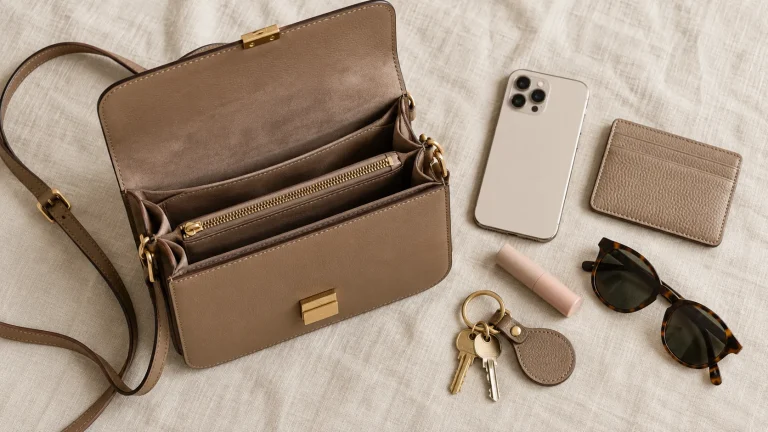
For a concrete comparison, see Trysho’s leather cloud crossbody. Check its current materials, measurements, and closure before choosing.

Set your notebook, charger, bottle, and lunch container beside the sleeved laptop. Their combined thickness is more useful than a vague capacity claim. A narrow tote can hold a laptop yet bulge once a bottle is added. If the base collapses, contents may lean and shift.
An interior pocket keeps keys and a phone away from the laptop. A pouch can group cables, lip balm, and small items when the tote has one open compartment. Look for a secure place for transit cards instead of dropping them underneath larger objects.
The handle drop is the vertical space between the top of the bag and the handle at its highest point. Try a similar bag over your thickest regular coat. A strap that fits over a blouse can pinch over winter outerwear.
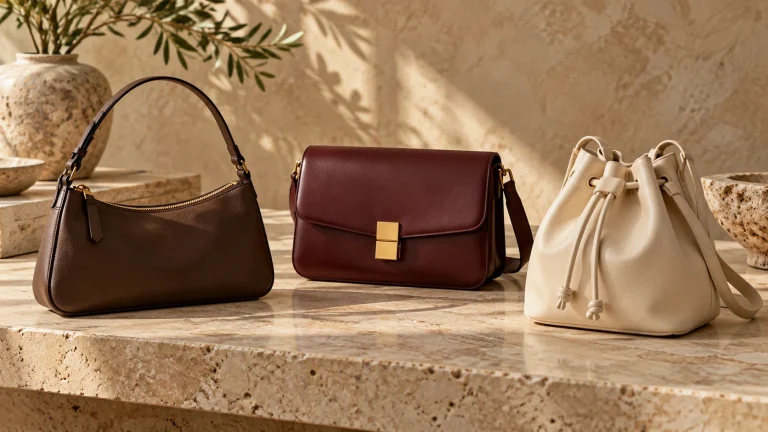
For a concrete comparison, see Trysho’s structured shoulder bag. Check its current materials, measurements, and closure before choosing.

Put your usual load on a household scale if you carry it for a long walk. The bag itself adds weight. A beautiful heavy tote may feel less practical after a commute; divide the load or choose a lighter style when necessary.
A zip top can help keep small items inside on transit. An open tote is quick to access but benefits from a secure pouch. A hasp or magnetic closure may not close over a tall laptop; test the full loaded height.
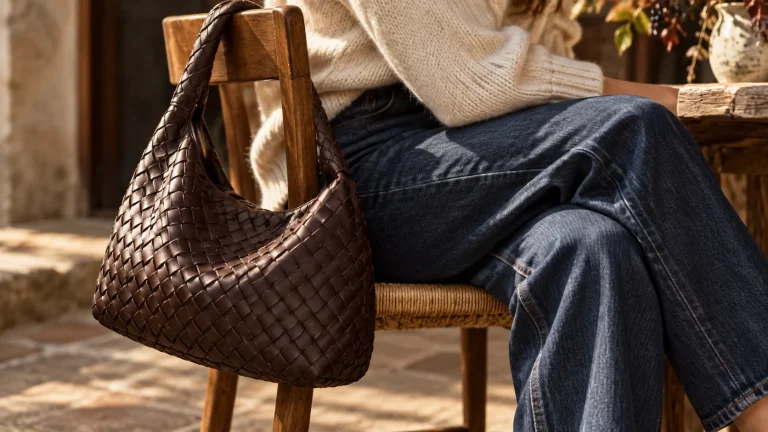
Trysho’s canvas shoulder bag offers another shape to compare against these fit and styling checks.
Mark the listed interior width and height on a sheet of paper and place your sleeved laptop against it. Then stack the other items as they would sit in the bag. It is a simple way to spot a tight opening before purchasing.
Separate your belongings into rigid items, flexible items, and things you need quickly. A laptop and notebook need a broad unobstructed section; a sweater can compress; keys and a transit card need a predictable small pocket. Place the rigid pieces inside a box marked to the prospective tote's dimensions and see how much depth remains.
Measure the opening separately, because the box test does not capture a narrow zipper. If you alternate between light and heavy days, decide whether one tote can handle both without strain or whether a second compact bag is more useful. The best capacity is the amount you can carry comfortably, not the maximum a product photo suggests.
Bring the decision back to the clothes and objects you already use. Set the relevant pieces together in daylight, check the product measurements, and test the combination for several minutes rather than judging one still photograph. Note anything you repeatedly have to pull, reposition, or carry differently. If the item only works under ideal conditions, decide whether those conditions match your usual week. Keep these points in mind:
Before ordering, pull out two outfits you wear in a normal week and test the item against both. Check it while standing, sitting, and moving; a photograph from the front alone can conceal a strap that slips, a hem that catches, or a shape that becomes awkward from the side. If the outfit depends on weather, try the layer and footwear you would actually use outdoors.
Compare measurements with something you already own that fits well. Product names such as “oversized,” “small,” or “comfortable” are helpful starting points, but the dimensions, materials, closures, and care instructions decide whether a particular item meets your needs. Keep the colors of the clothes you wear most often in mind so the choice has more than one useful outing.
Not necessarily. Screen size is diagonal; measure the laptop and sleeve directly against the interior opening.
That depends on your commute and load. A secure pouch can help in an open tote, but a zip top may be more convenient.
Related Trysho examples: woven bucket tote, large shoulder tote, canvas shoulder bag. Compare the current listings before choosing.
A good work tote starts with measured contents. Check the laptop inside its sleeve, compare that size with the bag's usable opening, then account for a bottle, charger, notebook, and any lunch you carry. Handle drop and total weight matter just as much during a real commute.
Review Trysho's current product specifications rather than relying on a category label such as large or roomy. If one bag cannot hold everything comfortably, a slim laptop case plus a smaller everyday bag can be the more practical arrangement. Choose the setup that feels manageable across your full day.
If a measurement or material detail is missing, confirm it before ordering. A useful choice should fit the ordinary days for which you actually need it.