A handbag can look perfect in a product photograph and still frustrate you every time you reach for your keys. The closure affects how quickly you can get inside, whether small items stay put, and how the bag carries when it is full. Zip tops, flaps, frame clasps, and drawstrings each solve a slightly different problem.
A commuter may value a wide, secure opening; a dinner bag needs only a few essentials; a bucket bag often offers flexibility but less organization. The right choice depends on how you move through an ordinary day, not merely on the bag's silhouette. This guide compares common handbag closures using specific situations, then shows how to test a bag's opening against the items you actually carry.
Try the checks before deciding that a beautiful bag is a useful bag. The examples focus on details you can check in a listing and adapt to clothes you already own. Keep a familiar garment or accessory nearby as a point of comparison; its measurements and daily comfort tell you more than a styled product photograph alone.
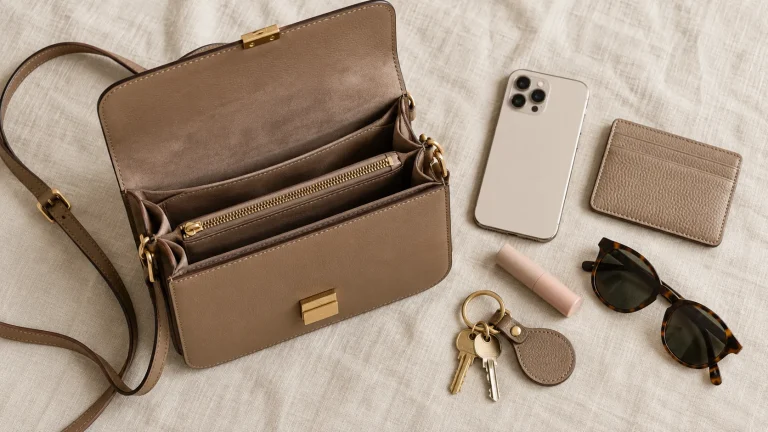
Measure the widest item you carry, such as a phone in its case or a sunglasses case. Compare that width with the usable opening rather than the bag’s overall width. A bag can be long and deep yet have a narrow mouth that makes everyday access awkward.
A zipper is useful on transit, in a crowded store, or whenever a bag tips in the car. Check whether the zipper runs far enough across the top to admit your larger items. A recessed zipper can reduce usable opening width, so examine interior photographs as well as the exterior.
For a concrete comparison, see Trysho’s zip-top shoulder bag. Check its current materials, measurements, and closure before choosing.

A flap gives a compact bag a clean front and can cover its contents while leaving the opening fairly wide. It also asks you to lift and close it each time. Test whether the clasp can be operated comfortably with one hand, especially if you often carry a coffee or groceries.
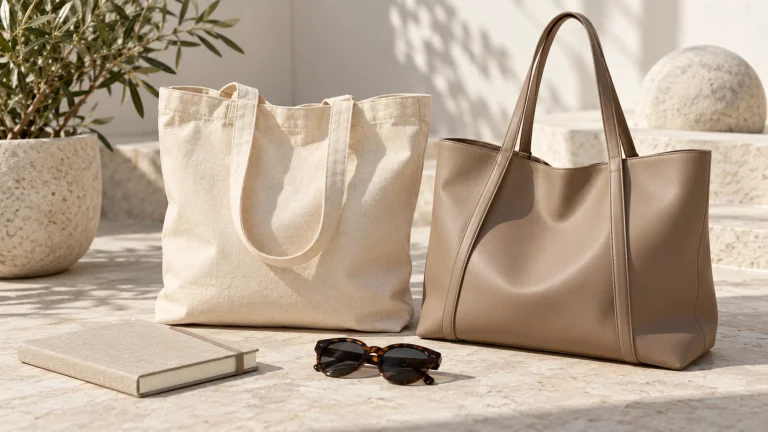
A drawstring bucket adapts to irregular contents and usually creates a relaxed look with denim or knitwear. Pull both cords evenly and check whether the top actually closes. Small items can collect at the bottom; a pouch or interior pocket makes them easier to find.
A frame clasp offers a defined opening and a vintage-inspired shape, but its rigid top can limit what passes through. Magnetic closures are quick to use; check whether the magnet catches reliably when the bag is full. Neither design should be assumed secure solely from a product name.
For a concrete comparison, see Trysho’s leather cloud crossbody. Check its current materials, measurements, and closure before choosing.

For a commute, prioritize the opening, a secure top, and an interior pocket. For dinner, a small flap or frame bag may be enough. During travel, keep documents and valuables in a properly closed section and avoid depending on an open tote for everything.
Arrange your normal items on a table, then compare their dimensions with the listing. Imagine retrieving the phone while the bag is on your shoulder. If the closure bends awkwardly, catches a sleeve, or needs two hands every time, that friction will matter more than a trend photo.
Trysho’s faux-suede bucket bag offers another shape to compare against these fit and styling checks.
Do not force a zipper around an overfilled bag or pull a drawstring by one cord. Keep fabric away from teeth and wipe hardware according to the material instructions. If a clasp feels loose on arrival, address the fit before making that bag your daily option.
Use the same phone, wallet, keys, and sunglasses case to compare a zip bag, flap bag, and drawstring bucket. Note how many steps it takes to retrieve each item and whether the contents remain visible when you set the bag down. A flap may be quick at a restaurant but awkward when your hands are full; a zipper may take an extra second yet contain loose items better on transit.
A bucket can accommodate an oddly shaped item but often benefits from a small organizer. Think about your most frequent situation, not the rare outing that requires everything. When a closure feels intuitive with your actual load, the bag is more likely to become part of your routine.
Bring the decision back to the clothes and objects you already use. Set the relevant pieces together in daylight, check the product measurements, and test the combination for several minutes rather than judging one still photograph. Note anything you repeatedly have to pull, reposition, or carry differently. If the item only works under ideal conditions, decide whether those conditions match your usual week. Keep these points in mind:
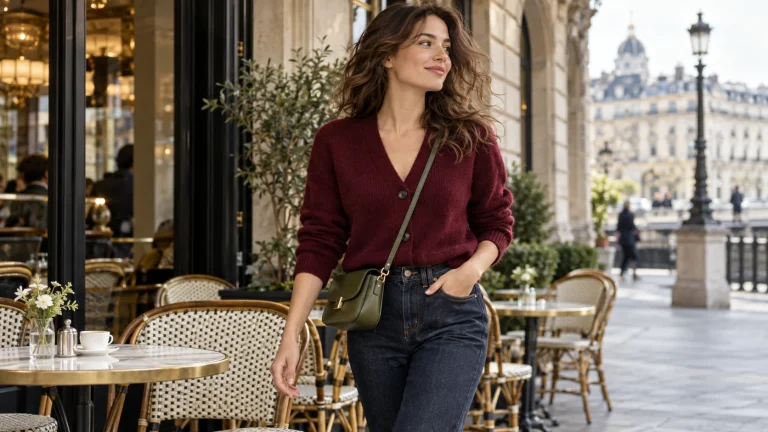
Before ordering, pull out two outfits you wear in a normal week and test the item against both. Check it while standing, sitting, and moving; a photograph from the front alone can conceal a strap that slips, a hem that catches, or a shape that becomes awkward from the side. If the outfit depends on weather, try the layer and footwear you would actually use outdoors.
Compare measurements with something you already own that fits well. Product names such as “oversized,” “small,” or “comfortable” are helpful starting points, but the dimensions, materials, closures, and care instructions decide whether a particular item meets your needs. Keep the colors of the clothes you wear most often in mind so the choice has more than one useful outing.
A closed zipper can reduce the chance of contents spilling, but security also depends on construction, position, and how you carry the bag.
Yes, if its opening closes sufficiently for your route and the contents remain organized; check its actual design.
Related Trysho examples: zip-top shoulder bag, retro frame purse, faux-suede bucket bag. Compare the current listings before choosing.
Choose a handbag closure by how you use the bag. A zip top can make commuting easier, a flap gives a compact outfit bag a neat profile, and a drawstring accommodates softer contents. The opening must still admit your phone, wallet, and any case you carry; the outside dimensions alone cannot tell you that.
Check the current product measurements, closure photographs, and interior pockets before ordering. Then picture one ordinary trip, from finding your keys to setting the bag down. A bag that works smoothly in those moments is more valuable than one that only looks good on a shelf.
If a measurement or material detail is missing, confirm it before ordering. A useful choice should fit the ordinary days for which you actually need it.