High-rise jeans can define the waist and work with tucked shirts, shorter jackets, and many shoe shapes. They can also dig in while sitting, gap at the back, or bunch across the front even when the size on the label is familiar. The word high-rise describes where the waistband is intended to sit, not exactly where it will land on every body.
Torso length, waist-to-hip shape, fabric stretch, and rise measurement all affect the result. This high-rise jeans fit guide provides a set of checks you can use in a fitting room or when comparing online measurements. It also covers hem length with the shoes you actually wear.
Treat comfort during a normal day as part of the fit, not as a compromise to make the silhouette work. A pair that stays in place while you move will be easier to style repeatedly. The examples focus on details you can check in a listing and adapt to clothes you already own.
Keep a familiar garment or accessory nearby as a point of comparison; its measurements and daily comfort tell you more than a styled product photograph alone.
Measure from the crotch seam up to the top of the waistband on jeans you already like. Compare that front-rise measurement with the listing. Two pairs described as high-rise can sit at noticeably different points on the same person.
The waistband should feel secure when standing and tolerable when seated. If it presses sharply into your ribs or folds over, the rise or waist shape may be wrong. Do not expect discomfort to disappear simply because the jeans contain stretch.
For a concrete comparison, see Trysho’s high-waist flare jeans. Check its current materials, measurements, and closure before choosing.

A large gap can indicate a mismatch between waist and hip proportions. A small gap may respond to tailoring or a belt, but a belt should not be forced to gather a great deal of excess fabric. Check the fit again after sitting.
Horizontal lines at the hips or a strained zipper can mean the cut is too narrow. Excess loose folds can signal too much room or the wrong rise. Compare a different size and silhouette rather than assuming a single measurement explains everything.
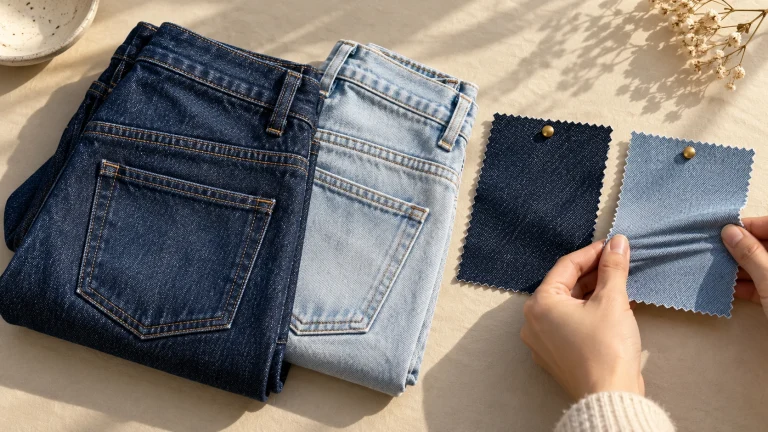
Stretch denim can feel flexible, but the fabric should recover after you move. Check the listed material and care instructions. Rigid denim may require more careful sizing, particularly when sitting, while very stretchy fabric can shift during wear.
For a concrete comparison, see Trysho’s suede cowhide belt. Check its current materials, measurements, and closure before choosing.

A straight leg is easy with flats and boots; flare jeans balance a shorter jacket and often need a precise hem. The waist fit should be settled before judging the leg. A flattering photograph cannot compensate for a waistband you constantly adjust.
Try the jeans with the shoes you will use most. Flare hems can nearly meet the ground without touching it; cropped jeans should finish clearly above the ankle. A hem that drags will fray and collect moisture.
Trysho’s platform sneakers offers another shape to compare against these fit and styling checks.
Tuck in a thin shirt or knit and see whether the waistband still feels comfortable. If the top bunches, try a partial tuck or shorter hem. The jeans should support several outfits without requiring one exact shirt.
If a pair fits the hips but gaps at the waist, simply sizing down may create pulling across the seat. If it fits the waist but feels short through the rise, another cut or rise measurement may solve the issue better than a larger size. Compare a straight and a flare style using the same sitting and walking checks.
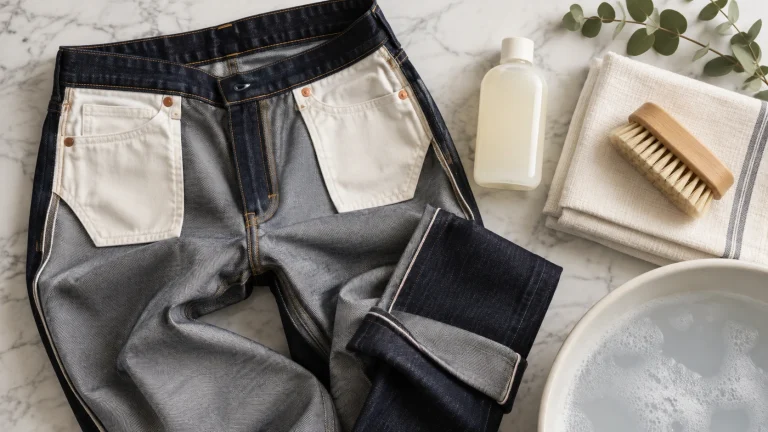
Note whether pockets lie flat and whether the zipper stays centered. Wash denim according to the label and avoid planning an outfit around a fit that only works before lunch. A small tailoring adjustment can refine a close fit, but it cannot change the fundamental rise or fabric behavior.
Start with the shape that allows comfortable movement.
Bring the decision back to the clothes and objects you already use. Set the relevant pieces together in daylight, check the product measurements, and test the combination for several minutes rather than judging one still photograph. Note anything you repeatedly have to pull, reposition, or carry differently. If the item only works under ideal conditions, decide whether those conditions match your usual week. Keep these points in mind:
Before ordering, pull out two outfits you wear in a normal week and test the item against both. Check it while standing, sitting, and moving; a photograph from the front alone can conceal a strap that slips, a hem that catches, or a shape that becomes awkward from the side. If the outfit depends on weather, try the layer and footwear you would actually use outdoors.
Compare measurements with something you already own that fits well. Product names such as “oversized,” “small,” or “comfortable” are helpful starting points, but the dimensions, materials, closures, and care instructions decide whether a particular item meets your needs. Keep the colors of the clothes you wear most often in mind so the choice has more than one useful outing.
Not always. Where they land depends on your torso and the garment’s front rise.
Fabric behavior varies. Choose a comfortable fit now instead of counting on substantial stretching.
Related Trysho examples: high-waist flare jeans, suede cowhide belt, platform sneakers. Compare the current listings before choosing.
Good high-rise jeans fit is a combination of rise, waistband shape, hip room, fabric behavior, and hem length. Measure a pair you enjoy wearing, compare the product details, and test sitting and walking before deciding. A belt can finish an outfit, but it should not have to repair major waist gaping; likewise, stretch should not be used to justify painful pressure.
Choose the leg shape after the upper fit feels right. That order gives you jeans you can style with blouses, knits, jackets, and flat shoes across an ordinary week. If a measurement or material detail is missing, confirm it before ordering.
A useful choice should fit the ordinary days for which you actually need it.