A button-down shirt can fit at the shoulders and waist yet open between two buttons when you move. That gap can make a blouse feel unreliable at work or while sitting across a table. Pulling the fabric flat in the mirror often hides the issue for only a moment; the opening returns when you reach or breathe.
There is no single fix for every shirt. The cause may be too little room across the bust, buttons placed too far apart, a stiff fabric, or a shirt cut for a different shape. A temporary layer or garment tape can help on a particular day, while tailoring or a different cut may be the better long-term answer.
This guide explains how to fix button-down shirt gaping without damaging the garment. Begin with a movement test, decide whether the fabric is strained, and choose a solution that remains comfortable rather than simply concealing a poor fit.
Button the shirt over the undergarments you usually wear. Stand naturally, sit, reach forward, and lift your arms. Note whether one space opens or the entire placket pulls into an X shape. A single gap may relate to button placement; several stretched spaces usually signal a size or cut issue.
Check the side seams and shoulders too. If they pull forward or restrict movement, adding a snap between buttons will only mask the problem. A correctly fitting shirt should allow ordinary motion without a row of horizontal strain lines.
If the shirt is tight across the bust but loose elsewhere, try a cut with more room through the chest and a defined waist. You may need to fit the largest measurement and tailor the waist. If the whole upper body is tight, size up and reassess the shoulders rather than relying on tape.
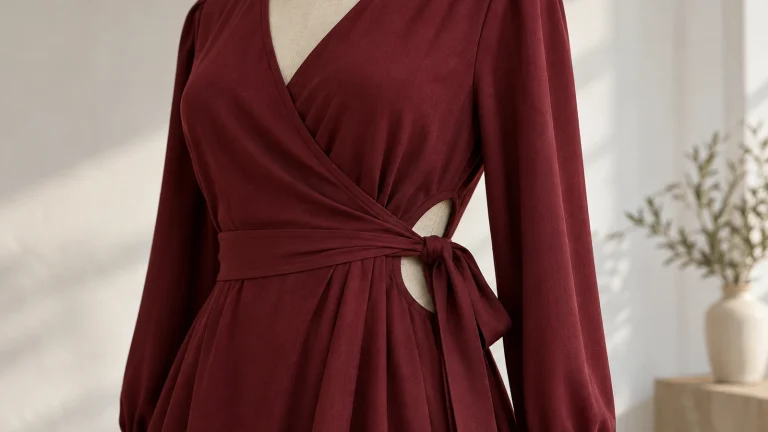
Trysho’s satin-finish blouse offers a draped alternative to a crisp shirt. Compare its garment measurements and fabric with a blouse you already wear comfortably. A softly draped top may move differently, but its buttons still need a proper fit.

For a single event, double-sided fashion tape designed for clothing can hold a small gap closed. Apply it to clean, dry fabric according to the package directions and test it on an inconspicuous area. Remove it gently. Heat, delicate finishes, or frequent washing can affect how an adhesive behaves.
A camisole underneath can provide coverage if a button moves, but it does not correct a tight shirt. You can also leave a blouse intentionally open over a fitted tank and treat it as a lightweight layer. That styling choice is often more comfortable than forcing the front closed.
A tailor can place a small snap between buttons where the placket opens. It works best when the shirt already has enough ease and only the spacing causes a peek-through gap. Position and color matter; a poorly placed snap can pull the fabric into a new wrinkle.
On a delicate shirt, ask a professional to assess the fabric before sewing. A hidden fastener should close without tension. If it pops open when you sit, it is telling you that the underlying fit still needs more room.
A safety pin on the inside may feel fast, but it can leave a hole or snag a satin-like fabric. It may also open unexpectedly near the skin. If you need a temporary emergency measure, position any fastener through a stable seam allowance or underlayer and remove it after wear.
The long-term choices are a better cut, alteration, or a shirt with different closure spacing. Trysho’s bow-tie collar blouse is another neckline and front shape to compare. Review the current product’s closure details before assuming it eliminates gaps.

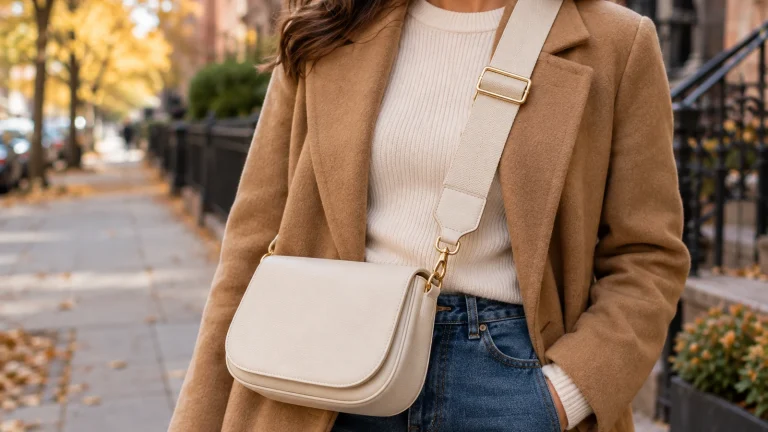
A relaxed shirt can still look polished. Tuck only the front into high-waisted trousers or jeans, leaving enough fabric to move across the bust. An open blazer creates vertical lines while allowing the shirt to sit naturally. Avoid buttoning a jacket so tightly that it pushes the blouse outward.
Try the TRZA double-breasted blazer with a blouse and trousers for a work outfit, but test the complete combination seated. A bag strap crossing the placket can also create a gap; adjust the strap position or carry a shoulder bag on that day.
Bring a measuring tape when shopping online. Compare the garment’s bust measurement, shoulder width, and sleeve fit with a shirt that does not gap. Body measurements alone do not tell you the garment’s ease. If the listing lacks measurements, ask the seller or choose a style with a more forgiving cut.
Take a side-view photo while seated. The front may look smooth standing and strain when you lean forward. Confirm that the buttons do not stretch the buttonholes and that the placket stays flat after a normal breath.
It may help if the gap is caused by spacing and the shirt has enough room. If fabric strains across the chest, moving one button is unlikely to fix it.
It is a temporary aid. Repeated adhesive use may be inconvenient or unsuitable for some fabrics and skin. Follow the tape and garment instructions.
Choose the size that accommodates your largest measurement, then assess shoulders and waist. Tailoring a loose waist is often more feasible than adding fabric to a tight bust.
First find out whether a shirt gaps because the buttons are spaced poorly or because the garment is too tight. A hidden snap or garment tape can help a well-fitting shirt with one small opening. Multiple strain lines call for a different size, cut, or alteration.
Test any solution while sitting and reaching, not only in a standing mirror. A blouse that stays comfortable through ordinary movement will be easier to wear and style. Explore Trysho’s blouses and tops with your own reliable shirt measurements in hand.
Recheck the blouse while seated and reaching forward, since movement often reveals a gap that a mirror test misses.