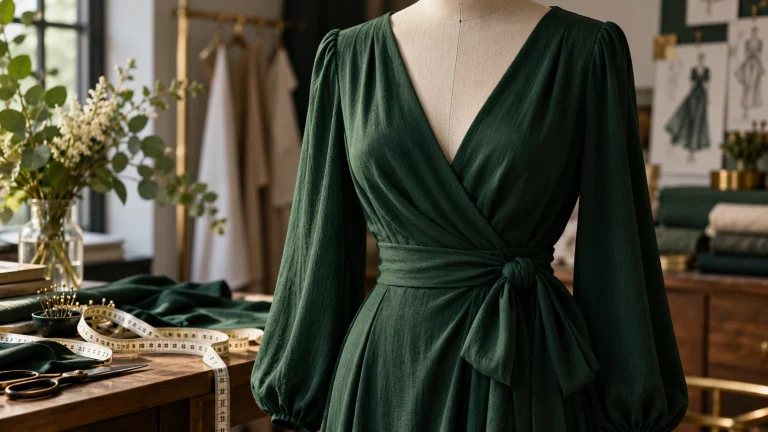
An A-line midi skirt widens gently from the waist and leaves room to move. It can look airy with a T-shirt in warm weather or polished with knitwear and boots in fall. The same shape can also feel difficult if a long top hides the waist or the hem falls at an awkward point with your shoes.
The useful styling question is not whether this skirt flatters one specific body type. It is whether the waistband fits comfortably, the fabric falls well, and the other pieces give the skirt enough space to move. These A-line midi skirt outfits use a few reliable changes in top, layer, and footwear to serve different seasons.
Check the actual garment length against your height instead of assuming every “midi” lands in the same place. A skirt that works with several shoes can earn its place throughout the year. The examples focus on details you can check in a listing and adapt to clothes you already own.
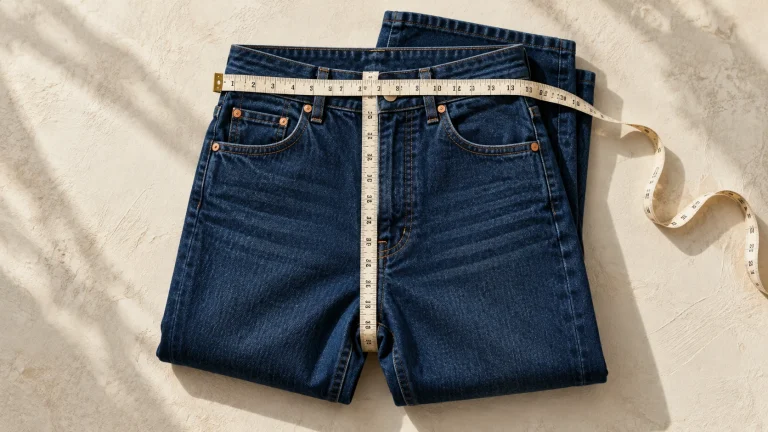
Keep a familiar garment or accessory nearby as a point of comparison; its measurements and daily comfort tell you more than a styled product photograph alone.
A fitted or softly tucked T-shirt gives the skirt a clear waist for a casual day. Use white, black, or a color repeated in the skirt. Flat sandals, low sneakers, or loafers can work if the hem clears the shoes.
A smooth blouse and structured bag make the skirt more polished. Tuck the blouse or choose a shorter cut so the waistband remains visible. A blazer can add shape when the dress code calls for it, but check that it does not end at the skirt’s widest point.
For a concrete comparison, see Trysho’s layered A-line midi skirt. Check its current materials, measurements, and closure before choosing.

A short denim jacket or cardigan sits above the skirt’s flare and keeps the silhouette clear. Wear a simple base layer underneath. If the skirt is patterned or layered, let the jacket remain solid and relatively unadorned.
A lightweight turtleneck tucked into a high waist supports the fuller lower half. Burgundy with black, cream with olive, or camel with navy are easy combinations. A very thick sweater may bunch at the waistband; try a short hem instead.
Black tights and black boots create a connected line beneath a darker skirt. Brown footwear can soften a cream or olive option. Walk in the full outfit to see whether the hem catches on boot hardware or bunches against the shaft.
For a concrete comparison, see Trysho’s satin-finish blouse. Check its current materials, measurements, and closure before choosing.

A straight coat can provide a clean vertical line over a fuller skirt. Choose a length clearly above or below the hem, or let the two meet deliberately. A coat that presses the skirt into folds may need more room through the hips.
The waistband should sit without digging or rotating. Sit and climb stairs; the fabric should allow a comfortable stride. A lined skirt may move differently from an unlined one, so check the listing before deciding on underlayers.
Trysho’s pointed ankle boots offers another shape to compare against these fit and styling checks.
A compact crossbody keeps a weekend outfit practical; a structured tote suits an office. Avoid placing a very bulky bag exactly where the skirt flares widest if you prefer a cleaner line. The accessory can repeat one outfit color loosely.
Before buying, imagine the skirt with a casual top, a work top, and a cooler-weather layer you already own. For example, a black A-line midi can work with a white tee and sneakers, a pale blouse and loafers, or a fine burgundy knit with tights and ankle boots. Check the hem against each shoe: a skirt can appear balanced with boots yet feel too long with flats.
If it is a light layered fabric, see whether it clings to tights or needs a slip. If the waistband only fits when you do not tuck a top, plan accordingly. Versatility should be demonstrated by outfits you would actually wear.
Bring the decision back to the clothes and objects you already use. Set the relevant pieces together in daylight, check the product measurements, and test the combination for several minutes rather than judging one still photograph. Note anything you repeatedly have to pull, reposition, or carry differently. If the item only works under ideal conditions, decide whether those conditions match your usual week. Keep these points in mind:
Before ordering, pull out two outfits you wear in a normal week and test the item against both. Check it while standing, sitting, and moving; a photograph from the front alone can conceal a strap that slips, a hem that catches, or a shape that becomes awkward from the side. If the outfit depends on weather, try the layer and footwear you would actually use outdoors.
Compare measurements with something you already own that fits well. Product names such as “oversized,” “small,” or “comfortable” are helpful starting points, but the dimensions, materials, closures, and care instructions decide whether a particular item meets your needs. Keep the colors of the clothes you wear most often in mind so the choice has more than one useful outing.
Fitted, tucked, or short tops usually make the waist and skirt shape easy to see.
Yes. Test the hem against the boot shaft and add tights when you want coverage.
Related Trysho examples: layered A-line midi skirt, satin-finish blouse, pointed ankle boots. Compare the current listings before choosing.
A-line midi skirt outfits are easiest when the waistband and hem work first. A tucked tee makes a casual base, a blouse changes the mood for work, and a fine knit with tights extends the skirt into cooler weather. Select a jacket that reveals the waist and footwear that clears the hem without catching.
Compare the skirt’s listed length and material with a piece you own, then try two or three outfits before deciding whether it is versatile for your routine. The shape can move across seasons with a few changes in layers rather than a full wardrobe reset. If a measurement or material detail is missing, confirm it before ordering.
A useful choice should fit the ordinary days for which you actually need it.