A handbag's opening affects how quickly you can find your keys, how securely small items stay inside, and whether the bag works on a commute. Two bags with the same shape can feel completely different when one has a full zipper and the other closes with a magnetic snap.
If you are comparing zipper vs. magnetic snap handbags, start with what you carry and where you use the bag. Look at the actual opening, interior pockets, and strap as well as the closure named in the listing. This guide will help you choose without assuming that one fastening is right for every day.

A zipper joins the two sides of an opening and helps keep the contents from spilling if a bag tips over. It also makes the opening less accessible to passersby than an open tote. A zipper does not make a handbag theft-proof, however; stay aware of your belongings in crowded places.
For a train commute, travel day, or busy shopping trip, a full top zipper is a useful feature. Check whether the zipper extends across most of the opening. Some bags have a recessed zipper panel that leaves space at either end, so examine the product photos instead of relying only on the word “zippered.”
The contrasting-color PU shoulder bag lists a zipper closure plus an interior zipper pocket and slot pocket. Those details make it worth comparing with the size of the items you normally bring to work.
A magnetic snap is quick to open with one hand. It can be appealing if you reach for your phone, transit pass, or sunglasses repeatedly throughout the day. The top often remains more flexible than a fully zipped bag, especially on a soft tote.
The tradeoff is coverage. A single snap usually closes the center while leaving gaps near the sides. If you carry loose coins, small cosmetics, or several easily dropped items, use a closed pouch or interior zipper pocket. Test whether a filled bag still aligns at the snap; an overpacked tote may not close securely.
Do not assume every snap is identical. The strength of the magnet, the thickness of the fabric around it, and the bag's construction all affect how it feels.
A drawstring can gather the opening of a bucket bag while allowing a flexible shape. Check whether it can be pulled tight enough to retain your belongings and whether the cord remains comfortable to use. A decorative tie is not always a functional closure.
A flap may close with a magnet, clasp, buckle, or hidden snap. The flap adds coverage, but access can take an extra step. On a small crossbody, that step may be welcome when walking through a crowded area. On a bag you open many times an hour, it may become inconvenient.
The genuine-leather cloud crossbody bag illustrates how a smaller bag can suit days when you want to carry only a few essentials. Check its current product photos and closure specifications before choosing it for a particular purpose.
A tote's outside width is not the same as its usable opening. A narrow zipper line can make a roomy bag awkward for a tablet or notebook. A snap-top bag may open widely, yet the interior may taper toward the base.
Measure the largest item you plan to carry. Compare its width, height, and thickness with the bag's listed measurements, then allow space for the opening and lining. If the listing does not give an opening measurement, inspect the photos or ask the seller. Do not treat an exterior dimension as a promise that a laptop will fit.
Trysho's large PU messenger shoulder bag lists a zipper top and separate phone, slot, and zip pockets. Its pocket layout may reduce the need for extra pouches, though the fit of a particular device still needs to be checked.
For a commute with public transit, prioritize a comfortable strap and a closure you can check at a glance. A zipped main compartment is a sensible choice for keys, wallet, and other loose items.
For an office day when the bag remains beside your desk, a snap-top tote can offer fast access to a notebook and glasses. Keep valuable small objects in a secure interior pocket. For a dinner or short outing, a compact bag with a flap or zipper may be easier to manage than a large tote.
For travel, think about how often you set the bag down and whether you need to reach into it while standing. A zipper is helpful when placing a handbag under a seat or on a luggage rack, but a useful internal organizer and a strap that stays on your shoulder matter too.

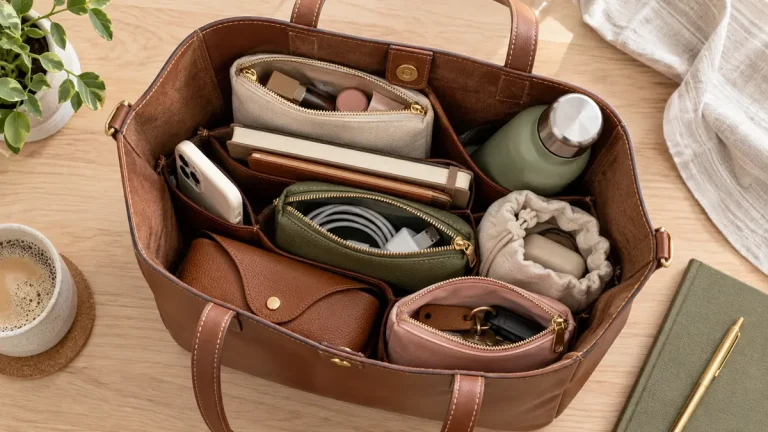
The closure is only one part of the organization system. A pocket sewn into the lining gives your phone or cards a predictable place; a zipped pocket can isolate smaller essentials. Before ordering, look for photos that show the interior rather than only the styled exterior.
Check how the lining is attached and whether the pocket openings appear large enough for your belongings. A very deep bag with no dividers can be frustrating even if the top closes securely. A small zip pouch can improve an otherwise simple tote without requiring a different bag.
Soft bags may change shape as they fill. The faux-suede dumpling shoulder bag lists a zipper closure and interior phone and zipper pockets; its soft silhouette offers a different feel from a structured work tote.
Avoid forcing a zipper over an overstuffed opening. Keep loose threads away from its teeth, and guide the slider gently when fabric catches. If a zipper begins to separate or snag, stop and inspect it rather than repeatedly pulling harder.
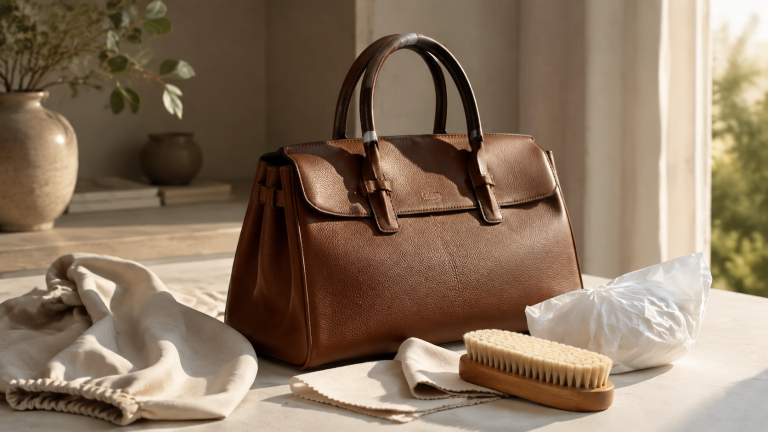
With a magnetic snap, avoid yanking the closure apart by pulling only on the lining. Separate the two sides near the fastener to reduce strain on the surrounding fabric. Follow the bag's care instructions for its material and hardware.
Before buying, ask yourself:
Choose a zipper if containment and a closed top matter most for your routine. Choose a magnetic snap when quick access and a wide, flexible opening take priority. A flap or drawstring offers another balance, depending on the bag's construction.
The most useful handbag is the one whose opening, pockets, capacity, and strap all work together for what you actually carry. Compare those details before choosing a color or silhouette.