The best wallet is not automatically the smallest or the one with the most compartments. It is the style that holds what you actually carry, fits inside your everyday bag, and remains easy to use at checkout.
A cardholder may be perfect if you rely on digital payments and carry only a few cards. A compact bifold provides more flexibility, while a long wallet can organize cash, receipts, loyalty cards, and identification without folding them tightly.
This women’s wallet size guide compares the most useful formats and explains what to check before choosing one.
Empty your current wallet and place everything on a table. Remove expired coupons, old receipts, duplicate loyalty cards, and anything available through a secure phone app.
Count the cards you still need and consider how often you carry cash or coins. Also measure the smallest handbag you use regularly. A beautiful long wallet is inconvenient if it cannot fit inside your preferred crossbody bag.
Browse Trysho’s women’s wallet collection to compare compact, long, zippered, and wristlet-style designs.
A cardholder is the smallest everyday option. It generally suits people who carry an identification card, one or two payment cards, a transit card, and perhaps a folded emergency bill.
Its slim profile fits easily inside a mini bag, jacket pocket, or small crossbody. It also prevents you from accumulating unnecessary receipts.
However, a cardholder may become difficult to use when every slot is tightly packed. If you regularly carry cash, coins, several membership cards, or medical information, a slightly larger wallet will be more practical.
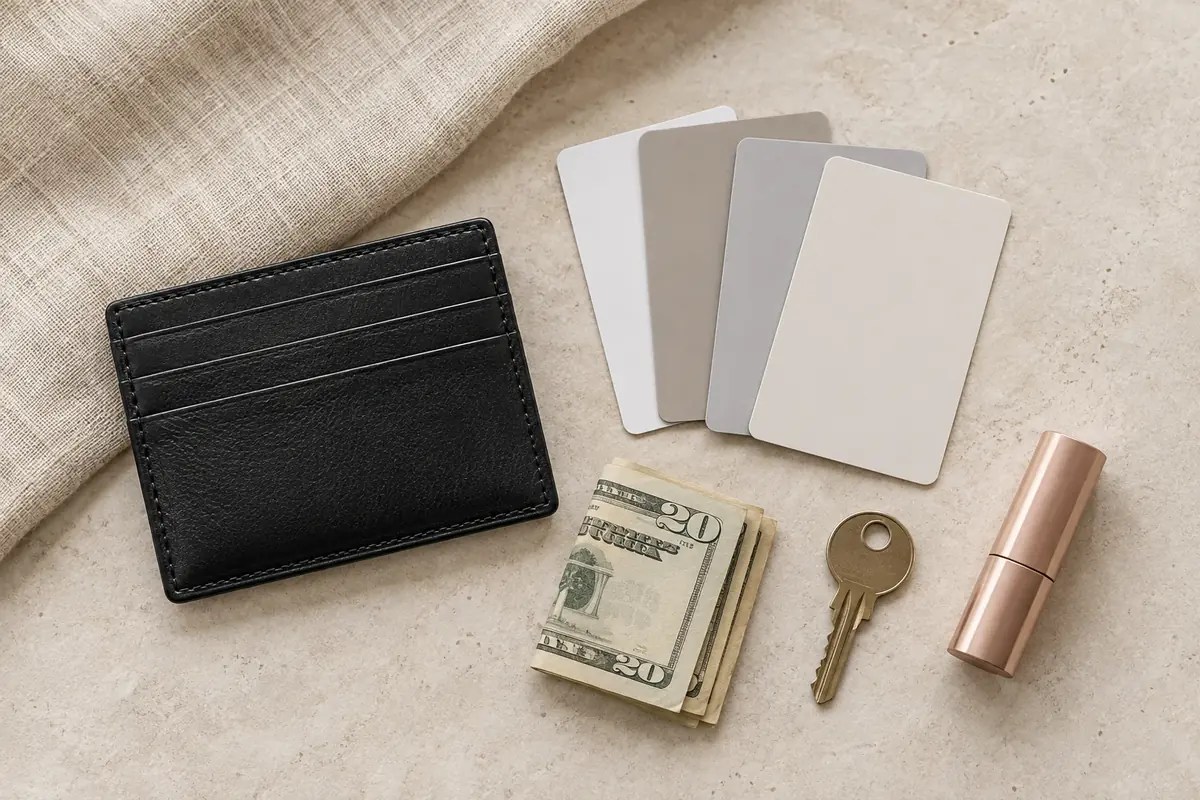
A bifold wallet folds once and usually provides several card slots plus space for bills. Some designs include an exterior coin pocket or snap closure.
This is a useful everyday choice when you want organization without the length of a full-size wallet. It fits many medium crossbody bags, shoulder bags, and totes.
Before buying, check the wallet’s closed dimensions and thickness. A compact design can still become bulky when filled. Look for enough card slots to meet your routine rather than choosing the highest possible number.
Trysho’s fashion-print long bifold wallet combines a bifold structure with multiple card and cash compartments for shoppers who want additional capacity.
A long wallet allows bills and many receipts to remain flat. It often includes multiple card slots, a zippered coin section, and separate areas for documents.
Trysho’s NIGEDU long thin leather wallet uses a slim rectangular design with multiple card slots and a secure hasp closure. The women’s luxury leather long wallet offers another organized option with dedicated cash and card compartments.
Measure your bag before choosing this format. A long wallet works naturally in totes and medium shoulder bags but may not fit comfortably in mini purses.

A zip-around wallet encloses the entire opening, which can help prevent loose coins and receipts from slipping out. It is useful for travel, commuting, or carrying several categories of cards.
The tradeoff is additional thickness and the need to open the full zipper at checkout. Check whether the zipper moves smoothly around the corners and whether the interior expands enough to access every slot.
Trysho’s double-zipper long wallet wristlet separates belongings into two zippered sections and includes a wrist strap for carrying it independently.
A wristlet wallet works well when you sometimes want to leave your main handbag behind. It can hold cards, cash, keys, and—depending on its measurements—a phone.
This format is useful for lunch breaks, events, quick errands, and travel days. Confirm the wrist strap attachment feels secure and that the phone compartment fits your exact device and case.
Trysho’s high-capacity double-zipper clutch wallet is designed to carry cards, cash, and a phone while functioning as a small clutch.
Use the bag’s interior—not its exterior—as your guide.
Leave space for your phone, keys, glasses, and other essentials. A wallet that technically fits but fills the entire bag is unlikely to be convenient.
Look beyond color and appearance. Compare:
Product measurements are more reliable than labels such as “small” or “large,” which vary between designs.
Review the contents once a month. Move old receipts to a separate location, remove expired cards, and digitize loyalty information when appropriate.
Do not force several cards into one slot unless the design specifically allows it. Excessive pressure can stretch the material, damage card edges, and make the wallet difficult to close.
If you need many work or membership cards, consider keeping a separate card case instead of overloading your main wallet.
It is better for keeping bills, receipts, and many cards organized. A bifold is more compact and fits smaller handbags.
A cardholder or compact bifold usually leaves the most room for a phone, keys, and other essentials. Always compare measurements.
For short outings, yes—if it fits your phone, keys, cards, and cash. It will not replace a larger bag when you need glasses, cosmetics, or work items.
The best wallet size depends on your real routine. Choose a cardholder for minimal essentials, a bifold for everyday flexibility, or a long wallet when organized storage matters most.
Before ordering, count your cards and compare the wallet measurements with your smallest frequently used handbag. The right wallet should make daily transactions easier without creating unnecessary bulk.