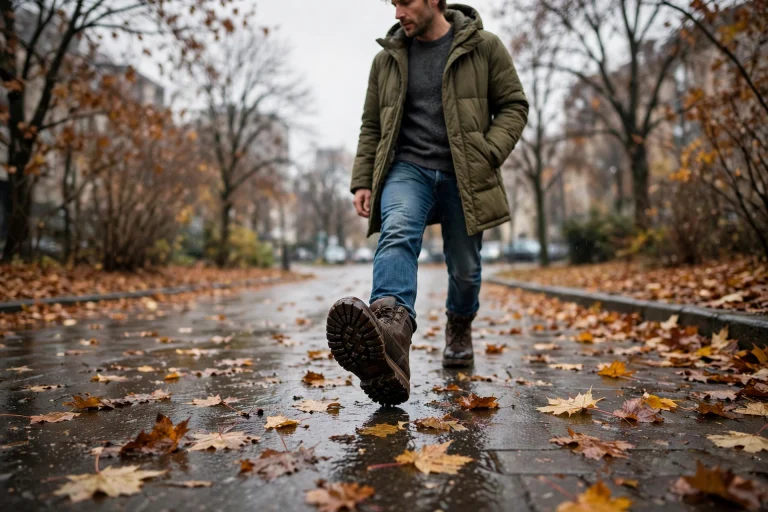
A backpack is the hardest-working bag a man owns. It carries the laptop to work, the change of clothes for a night away, and everything in between, yet many men buy one in a hurry and live with the wrong size, sore shoulders and a jumble of unfindable kit for years. The trick is to stop asking which backpack is best and start asking which backpack is best for a job, because travel, work and everyday carry ask for quite different things. This guide breaks down what each type needs, which materials and details actually matter, and how to read sizes in litres, so your next backpack fits your life properly.
Before you look at a single product, write down what you carry on a normal day and on your heaviest day. A laptop, charger, water bottle and gym kit need a very different bag from a phone, keys and a paperback. Note your laptop size in inches, because that decides the minimum bag you can use, and think about your journey: a crowded train rewards a slim profile, while cycling rewards a shape that sits high and stable.
Be honest about habits, too. If you throw everything into one big compartment, a simple two-pocket design will suit you better than a bag with twenty organisers you will never use. If losing small items drives you mad, built-in organisation is worth paying for. The right backpack matches your routine, not an ideal version of it, and five honest minutes here will save you from the most common buying mistake.
A travel backpack replaces a small suitcase, so look for a capacity of roughly 30 to 40 litres for trips of two to four days, a wide opening that lets you pack like a case rather than stuff from the top, and a separate padded section for a laptop so it does not travel inside your clothes. Compression straps keep the load tight and stop the bag sagging, while a structured back panel keeps it comfortable when fully loaded. For flights, check the airline’s cabin measurements before you buy, because a bag that is too deep may be refused as hand luggage.
Security matters more in travel bags than anywhere else. Lockable zips, a hidden pocket against your back for a passport and cards, and tough fabric are all worth having. For work trips, choose a plain, dark design, so one bag covers the whole trip.
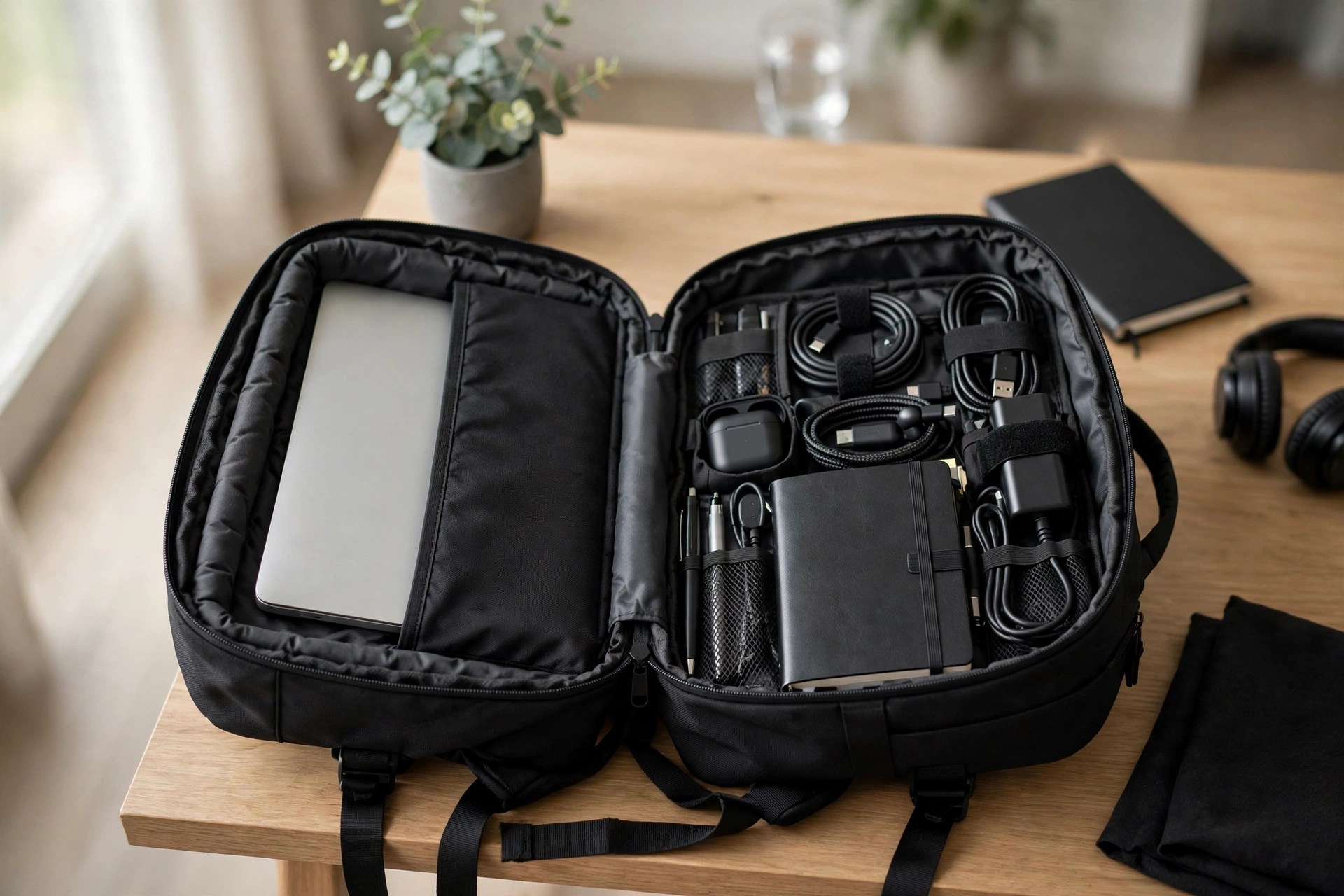
A work backpack has to protect technology and look professional while doing it. The non-negotiables are a padded, suspended laptop compartment that keeps the machine off the bottom of the bag, a tidy organiser panel for cables, pens and cards, and a clean, structured shape that stands up beside your desk rather than slumping. Capacities of 15 to 25 litres suit most office loads. Leather details or a smart coated fabric lift the bag into blazer territory, while loud logos and dangling straps pull it back towards the school run.
Padded straps, a breathable back panel and a luggage strap that slides over a suitcase handle all make commuting easier. Choose black, navy or dark grey and the bag will pair with every coat you own.
An everyday backpack is the one you grab without thinking, for shopping, day trips, the gym and weekends. Smaller is usually better here: 15 to 22 litres carries daily essentials without encouraging you to haul around things you do not need. Look for one main compartment, a quick-access top or front pocket for keys and earbuds, a bottle pocket that actually fits your bottle, and straps comfortable enough for a full day out. Packable or lightweight designs are handy if the bag often travels inside other luggage.
Style is freer in this category, so this is the place for canvas, brighter colours or a retro shape if that suits you. Just keep the basics sound: decent zips, a reinforced base and even stitching. An everyday bag gets dropped and left on floors more than any other, so easy cleaning is a genuine feature.

Across all three types, a few details separate a good backpack from a frustrating one. Nylon and polyester fabrics are light, tough and water resistant, with higher denier numbers meaning a thicker, harder-wearing weave. Canvas looks classic but is heavier and slower to dry. Leather is smart and durable but adds weight and cost, so it suits work bags best. Whatever the fabric, check that the base is reinforced, because that is where bags wear out first.
Zips should run smoothly with one hand and feel solid; they are the most common point of failure. Shoulder straps should be padded and shaped, the back panel should let some air move, and the stitching at the strap joins should be dense and even, ideally with reinforced bar tacks. Small features such as a key leash, a fleece-lined pocket for sunglasses and reflective details for dark November evenings add daily value far beyond their cost.
Litre ratings confuse many buyers because brands measure them differently, so treat the number as a guide and check the physical dimensions as well. As a starting point: under 15 litres is a light day bag, 15 to 25 litres covers work and everyday carry, 25 to 35 litres handles overnight and short trips, and 35 to 45 litres is proper travel territory for most men. Try to leave a little spare room rather than buying a bag your daily load fills to bursting, because a bag at its limit strains its zips and is miserable to pack.
When your new bag arrives, load it with your real kit and wear it around the house for ten minutes. The straps should not dig in and the weight should sit close to your back. If it passes that test, it will serve you well for years.
Find the right carry for your routine in the TRYSHO men’s bags collection, with backpacks and everyday bags for work, travel and weekends: shop men’s bags at TRYSHO.

TRYSHO
New arrivals & outfit ideas, first — straight to your inbox.
TRYSHO
Welcome to Trysho — here’s 10% off your first order:
WELCOME10
Tap the code to copy it
Use it at checkout — it never expires.
Start Shopping