Matching your handbag with your shoes can make an outfit feel polished, but an exact color match is no longer required. Modern styling is less about creating a perfectly coordinated set and more about building a clear relationship between the accessories. Color temperature, texture, formality, and visual weight matter more than whether both pieces came from the same collection.
The most useful approach is to let the handbag and shoes look connected without making them identical. These practical rules explain how to match a handbag with shoes for work, weekends, travel, and special occasions.
No. A handbag and shoes can be different colors and still look cohesive. Exact matching can work for formal outfits or a clean monochrome look, but it may feel overly planned when every accessory has the same shade, texture, and hardware.
Instead, coordinate one or two qualities. You might pair warm brown shoes with a cream bag, black loafers with a burgundy crossbody, or white sneakers with a light neutral tote. Trysho’s women’s bag collection includes crossbody, shoulder, and tote styles that can be paired with the store’s women’s shoes according to occasion and color family.
Colors generally have warm, cool, or neutral undertones. Warm browns, camel, rust, olive, and cream naturally work together. Cool gray, navy, blue-red, and crisp white form another easy group. Black can sit comfortably with either palette.
For example, pair tan ankle boots with a chocolate or cream handbag rather than searching for the exact tan. With cool gray flats, try a black, navy, or silver-toned bag. This creates harmony while keeping the outfit interesting.
When either the shoes or bag is colorful, make the other accessory neutral. Red flats can work with a black shoulder bag, while a green handbag looks balanced with cream loafers or simple sneakers.
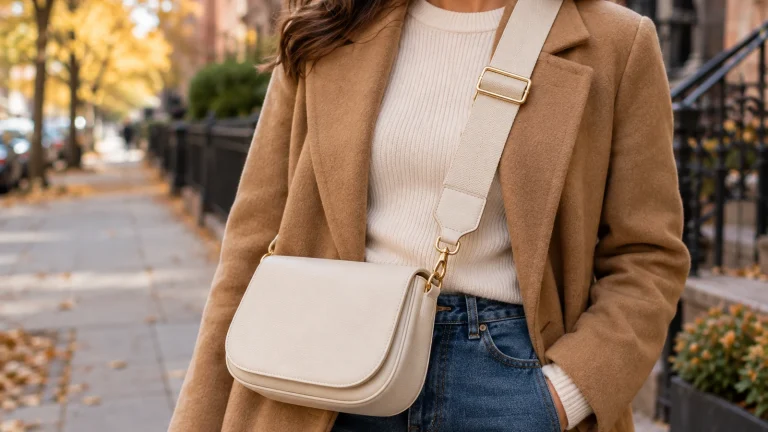
The genuine leather cloud crossbody bag is offered in shades including dark brown, cream, silver, and black. A neutral version can support colorful shoes, printed dresses, or seasonal clothing without creating too many competing elements.
A polished structured handbag usually looks best with equally refined footwear, such as loafers, pointed flats, ankle boots, or low heels. A relaxed canvas tote feels more natural with sneakers, sandals, or casual boots.
The accessories do not need the same material, but they should tell a similar story. For a work outfit, combine tailored trousers, a structured leather bag, and sleek loafers. For errands, choose jeans, a soft crossbody, and comfortable sneakers.
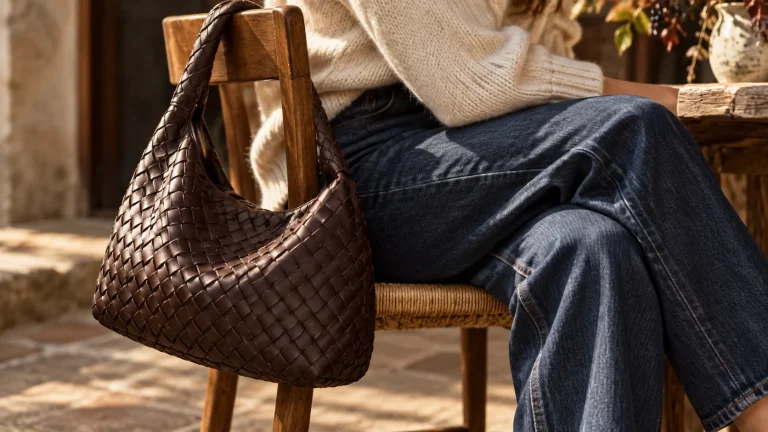
Wearing leather shoes with a leather bag is easy, but mixed textures can make an outfit richer. Smooth leather loafers can complement a suede bag, and a woven tote can soften polished sandals.
Keep the color palette simple when mixing noticeable textures. Brown suede boots, a smooth tan bag, blue jeans, and a cream sweater have enough contrast without looking busy. If both accessories feature strong texture, use plain clothing between them.
Hardware is a subtle way to connect accessories. A bag with gold-tone details looks cohesive with warm jewelry or shoes featuring a small gold buckle. Silver hardware works naturally with cool-toned watches and simple metallic details.
You do not need to match every zipper and buckle. Repeating one metal tone near the face or waist is usually sufficient. Trysho’s suede cowhide belt with a gold buckle can connect a warm-toned handbag and shoes without requiring them to be identical.
If your handbag has a bold shape, bright color, print, or dramatic texture, allow it to lead the outfit. Choose understated shoes that support it. The reverse also works: distinctive shoes look more intentional beside a simple bag.
For example, wear Japanese-style Tabi flats with a clean solid-color crossbody rather than an equally unusual handbag. The outfit keeps its personality while maintaining a clear focal point.
Black shoes and a brown handbag can absolutely work together. Add clothing that repeats or bridges the two colors: blue denim, a cream sweater, a camel coat, or a printed dress containing both shades.
Try a black dress with brown boots and a warm leather bag, or black loafers with straight jeans and a camel tote. The combination appears deliberate when the outfit includes a third neutral that connects everything.
Think about where you are going and what you need to carry. A compact bag and low heels suit dinner; a secure crossbody and supportive shoes work for sightseeing; a roomy tote and polished flats make sense for work.
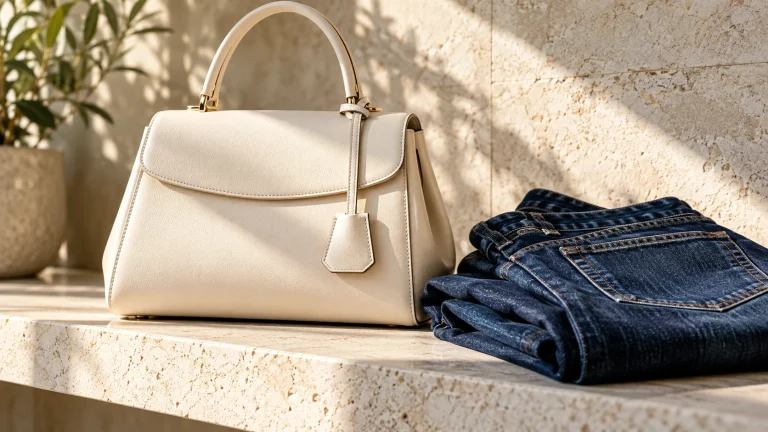
The designer genuine leather handbag has a refined everyday appearance and practical capacity, making it easy to coordinate with office loafers, boots, or simple weekend shoes.
Avoid forcing an almost-but-not-quite color match. Two slightly different reds may clash more than red shoes with a neutral bag. Also avoid combining multiple statement textures, oversized logos, and bold hardware in one outfit.
Finally, consider proportion. A tiny evening bag can look disconnected from heavy snow boots, while a large work tote may overpower delicate formal heels. Similar visual weight often matters more than matching color.
Learning how to match a handbag with shoes is about creating connection, not duplication. Coordinate the undertone, formality, texture, hardware, or occasion, then allow one accessory to provide personality.
Begin with versatile neutrals and use small repeated details to bring the look together. Your handbag and shoes should feel like part of the same outfit without looking like a compulsory matching set.