A plain T-shirt is the hardest-working base layer a man owns, yet in winter many men either hide it completely or wear it in a way that looks accidental. Done well, layering a T-shirt under shirts and jackets adds warmth, comfort and depth to an outfit without adding bulk. Done badly, it bunches at the neck, peeks out unevenly at the hem, and makes a smart shirt look like laundry day.
Layering starts with the T-shirt itself, and not every T-shirt in the drawer is suitable. For a base layer, choose a fitted or regular fit in a smooth, medium-weight fabric that sits close to the body without clinging. Very loose tees wrinkle under a shirt, and very thin ones can look cheap and show every seam of what is underneath. Cotton is comfortable and breathes well for everyday wear, while cotton blends hold their shape better through a long day and repeated washing. Pay attention to the neckline. A crew neck is the most versatile choice: it fills the open collar of a shirt neatly and looks deliberate under a jacket. A V-neck sits lower and disappears under a shirt worn with the top buttons open, which suits smarter looks where you do not want the tee to show at all. Keep colours simple. White, black, grey, navy and olive layer with almost everything, and a plain tee will always look sharper than a printed one peeking out from under a shirt.
The open shirt over a T-shirt is a classic for a reason: it is comfortable, relaxed and easy to adjust through the day. Wear a plain tee underneath a flannel, denim or checked overshirt, leave the shirt open or buttoned only in the middle, and pair it with jeans or chinos and boots or trainers. The key is contrast. Keep the T-shirt hem level with, or slightly above, the shirt hem, and avoid a long tee hanging well below an open shirt, which looks untidy. Roll the shirt sleeves once or twice if the day warms up, and if you get cold, button the shirt and add a jacket over the top. This combination handles most casual winter days, from a market visit to a long drive, better than almost anything else in the wardrobe.

A T-shirt can still play a part when the shirt is buttoned up and the look is smarter. Here the tee works as an unseen base layer: it adds warmth, protects the shirt, and helps it sit smoothly. Choose a slim V-neck or a low crew neck in white or a tone close to your skin or shirt colour, so nothing shows at the open collar. Make sure the sleeves of the tee are shorter than the shirt sleeves and that the body is long enough to stay tucked or sit flat if the shirt is tucked in. If you can see lumps, bright white edges or a strong outline through the shirt fabric, the tee is the wrong weight or the wrong colour. This is also where fabric choice matters most. A smooth, fine knit will disappear under a formal shirt, while a thick, textured tee belongs under casual shirts and knitwear. Get this right and you gain a full layer of warmth in cold offices and on draughty trains without anyone knowing it is there.
Under jackets, the T-shirt becomes visible again, and it should look chosen rather than leftover. A plain crew-neck tee under a bomber, denim jacket or field jacket is a reliable casual base, especially with the jacket zipped halfway so the tee shows as a clean block of colour. Knitwear offers another option. A tee under a crew-neck jumper stops the wool itching, adds a layer you can wash easily, and looks good when a sliver of white or grey shows at the neckline or hem. One rule covers all of these: each layer should be slightly heavier or looser than the one beneath it. A thick jacket over a thin tee works; a thin, tight shirt over a thick tee rarely does.

Most layering mistakes are really proportion mistakes. If two hems land within a centimetre of each other, the outfit looks fussy. With colour, work in families. A safe winter palette is a white, grey or black tee with navy, olive, burgundy or checked shirts and dark denim, repeated across the week with small changes. Avoid wearing a bright tee under a bright shirt unless you are confident, because the eye goes straight to the clash at the neckline. Texture helps too. A smooth tee under a brushed flannel shirt, a ribbed knit or a rugged jacket gives the outfit depth without needing patterns or logos.
A few errors come up again and again, and all of them are easy to fix. The third is logos and prints showing through or clashing with a shirt pattern; plain tees solve it instantly. The fourth is forgetting the weather: a tee is a base, not a coat, so in late November it needs a shirt, knit or jacket with real warmth over it outdoors. Wash layering tees carefully, reshape them while damp, and replace them when the neckline sags, because a tired collar undermines even the best shirt and jacket worn over it.
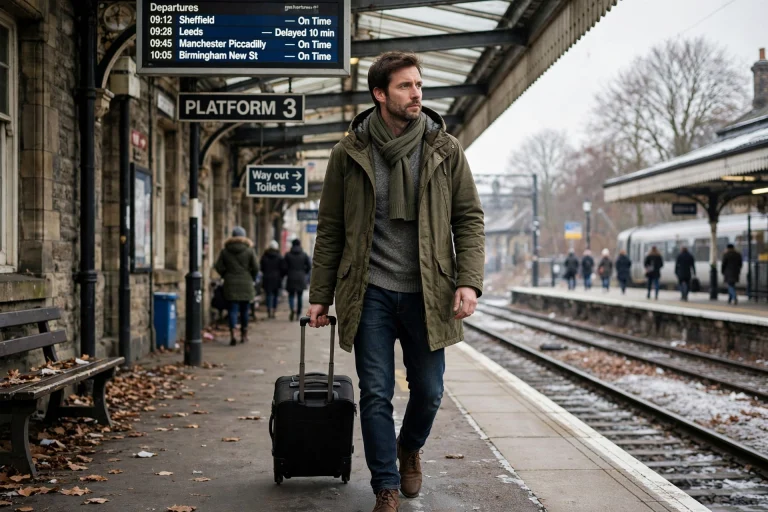
Master the base layer and the rest of your winter wardrobe works harder: shirts sit better, jackets look cleaner, and you stay comfortable from a cold platform to a warm office. Start with a few plain, well-fitting tees in neutral colours and build from there. You will find plenty of versatile options in our men’s T-shirts collection at Trysho, ready to layer under the shirts, knitwear and jackets you already own.
TRYSHO
New arrivals & outfit ideas, first — straight to your inbox.
TRYSHO
Welcome to Trysho — here’s 10% off your first order:
WELCOME10
Tap the code to copy it
Use it at checkout — it never expires.
Start Shopping