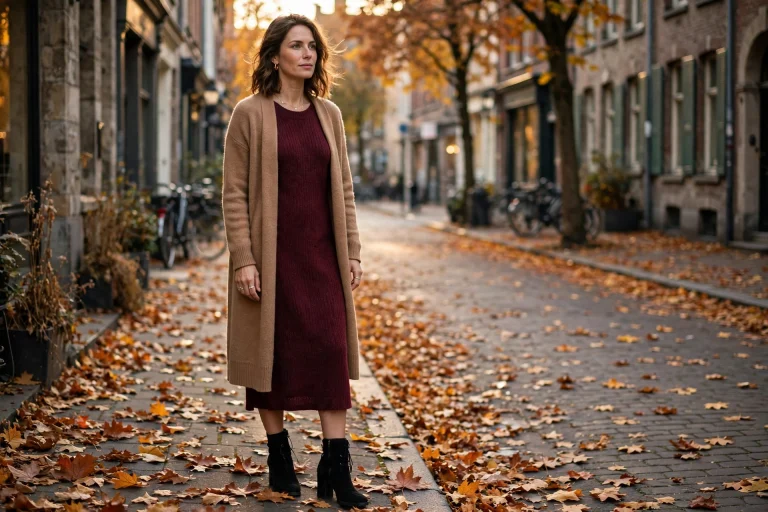
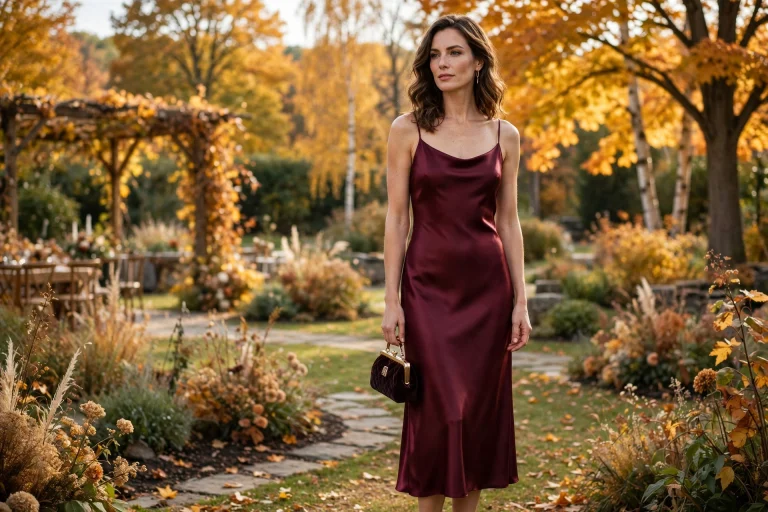
A neckline frames the face and influences where attention falls in an outfit. It can make a dress feel relaxed, professional, romantic, or dramatic before color and accessories are considered.
No neckline is universally “best” for one body type. Comfort, coverage, shoulder fit, bust support, and personal style matter more than rigid rules. Use proportion advice as a starting point, then choose the shape that makes you feel confident.
This guide explains how to choose a dress neckline by comparing eight popular options.
A V-neck draws the eye downward and can make the upper body appear longer. The effect changes with depth: a shallow V feels modest and work-friendly, while a deep V creates a more dramatic evening look.
Trysho’s vintage printed V-neck maxi dress combines an open neckline with short sleeves and a flowing skirt.
V-necks usually work without a necklace, but a fine pendant can echo the shape. Make sure the neckline remains comfortable while sitting and bending, especially when ordering a wrap or loose design.
A scoop neckline uses a rounded curve and exposes more of the collarbone than a traditional crew neck. It creates a softer effect than a sharply angled V.
Shallow scoops work well for everyday dresses and offices, while wider or lower scoops feel more relaxed. Small pendants, short chains, and rounded earrings complement the curve.
Check the neckline from the side as well as the front. Soft fabric may sit lower when you move or carry a shoulder bag.
A square neckline creates clear horizontal and vertical lines. It can make a simple solid-color dress feel distinctive without relying on print or embellishment.
The open shape displays the collarbone and works naturally with small earrings or a short necklace. A fitted square neckline should lie smoothly without gaping at the corners.
Square-neck dresses can feel vintage-inspired, romantic, or modern depending on the sleeves and fabric. Browse Trysho’s women’s dress collection to compare square, V-neck, off-shoulder, collared, and other shapes.

A boat or bateau neckline extends widely toward the shoulders and sits relatively high across the chest. Its clean horizontal line looks polished with fitted sleeves, knit dresses, and minimalist designs.
Because the neckline already occupies visual space, long necklaces may compete with it. Try stud earrings, small hoops, or a watch instead.
Check that bra straps remain concealed and that the neckline does not pull backward when you move your arms.
An off-shoulder dress exposes the shoulders and upper chest, making the neckline the outfit’s main feature.
This style works well for dinners, vacations, parties, and seasonal events. Keep necklaces simple or omit them entirely and use earrings as the primary jewelry.
Fit is especially important. The neckline should remain secure without restricting arm movement. Raise your arms and sit down when trying it on to confirm the dress returns to its intended position.
A sweetheart neckline curves over the bust and dips gently in the center. It is common in formal dresses but can also appear in casual knits and summer styles.
The curved shape creates a natural frame for a delicate pendant or short necklace. Look for a bodice that provides appropriate support and lies flat without pulling.
If you prefer more coverage, choose a shallow sweetheart or a design with sleeves. The same general shape can range from subtle to dramatic.
A halter neckline fastens or rises around the neck, leaving more of the shoulders visible. It creates a strong upper-body focal point and often works well for summer dresses and events.
Skip a necklace because the neckline already frames the neck. Choose earrings, a bracelet, or a watch instead.
Check the neck closure and armholes carefully. The dress should not pull at the back of the neck or reveal undergarments around the sides.
A collared dress borrows structure from a button-down shirt. It works naturally for offices, travel, brunch, and smart-casual occasions.
Trysho’s short-sleeve button-front midi shirt dress combines a turn-down collar with a loose solid-color silhouette.
Open one or two top buttons for a relaxed V shape, or keep the collar more closed for a traditional finish. Small earrings and a structured handbag maintain the polished effect.

Before choosing a neckline, decide where and how you will wear the dress.
For work, check the neckline while sitting, leaning forward, and wearing normal undergarments. For events, consider whether you need a strapless or specialty bra. For travel, select a neckline that remains comfortable beneath a jacket or cardigan.
A camisole can add coverage, but it may change the intended appearance. Choose a dress that already meets your needs whenever possible.
Let the neckline determine how much jewelry is necessary.
These are flexible starting points. A dress with print, ruffles, or decorative buttons may need less jewelry.
Move your arms, sit down, and view the neckline from the front and side. Look for gaping, pulling, rolling fabric, or straps that become visible.
The shoulder seams and bust area should fit smoothly. If the rest of the dress fits but the neckline does not, alterations may help, but assess the likely cost before purchasing.
A V-neck or open scoop often creates a longer vertical line. The depth and surrounding details affect the result.
A short necklace that remains within the open area usually works well. Small earrings are enough when the dress already has decorative sleeves or fabric.
Yes, but check that the jacket does not push the neckline into an uncomfortable position. A wrap or coat may preserve the shape more easily.
Learning how to choose a dress neckline is about balancing appearance with real comfort. V-necks create a vertical line, scoop and sweetheart shapes feel soft, square and boat necks add structure, and collared dresses provide polished versatility.
Try several shapes and move naturally in each one. The most flattering neckline is the option that sits securely, supports your preferred coverage, and fits the occasions where you will actually wear the dress.